




Signs Your Brakes Need Replacing: 10 Warning Signs Every Driver Should Never Ignore

Your vehicle's braking system is one of its most important safety features. Whether you're commuting through North York, driving across Toronto, traveling to Vaughan, or navigating the busy highways of the Greater Toronto Area, reliable brakes are essential for keeping you, your passengers, and everyone around you safe.
Ignoring worn brakes doesn't just increase your repair costs — it can dramatically increase your stopping distance and put your safety at risk.
At Arman Fine Auto & Repair Center, we help drivers identify brake problems early, before they become expensive or dangerous. In this guide, we'll explain the most common warning signs that your brakes may need attention and why regular brake inspections are one of the smartest investments you can make.
Why Healthy Brakes Matter
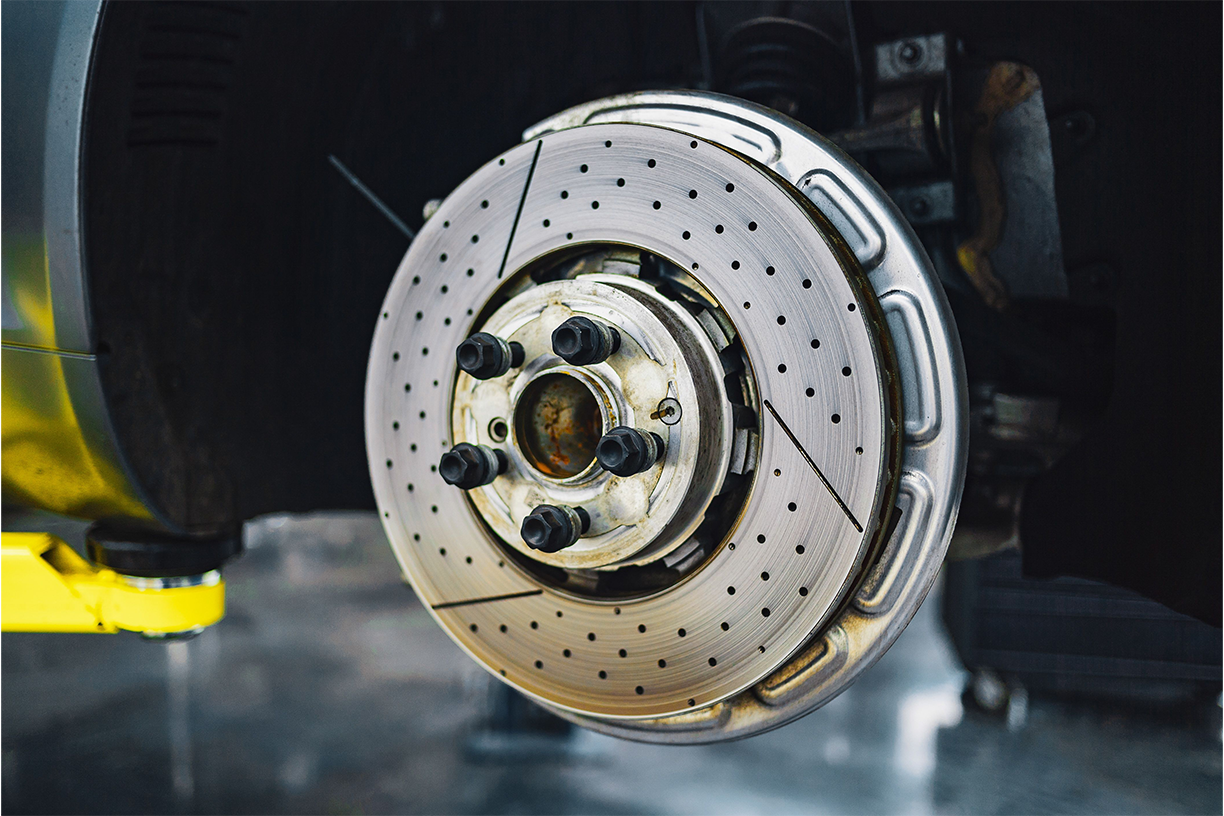
Every time you press the brake pedal, multiple components work together to safely slow your vehicle. Your braking system includes:
- Brake pads
- Brake rotors
- Brake calipers
- Brake fluid
- Brake lines
- ABS (Anti-Lock Braking System)
When one component begins to wear, the entire braking system can become less effective. Routine inspections help prevent expensive repairs while ensuring your vehicle stops safely when you need it most.
1. Squeaking or Squealing Brakes
One of the earliest signs of worn brake pads is a high-pitched squealing sound. Most brake pads are designed with a small wear indicator that intentionally makes noise when the friction material becomes thin.
If your brakes squeal every time you stop, it's time to schedule an inspection. Replacing brake pads early is much less expensive than replacing damaged rotors later.
2. Grinding Noise When Braking
Grinding is a serious warning sign. It usually means the brake pad has worn completely away and metal is contacting the brake rotor. This can quickly damage:
- Brake rotors
- Brake calipers
- Wheel hubs
If you hear grinding, avoid delaying repairs. Driving with metal-on-metal contact can significantly increase repair costs.
3. Your Vehicle Takes Longer to Stop
Have you noticed that your vehicle doesn't stop as quickly as it used to? Longer stopping distances may be caused by:
- Worn brake pads
- Worn brake rotors
- Contaminated brake fluid
- Brake system leaks
- Poor tire traction
Any increase in stopping distance should be inspected immediately.
4. Brake Pedal Feels Soft or Spongy
Your brake pedal should feel firm and responsive. A soft or spongy pedal may indicate:
- Air in the brake lines
- Low brake fluid
- Brake fluid contamination
- A hydraulic leak
- Master cylinder problems
This issue should never be ignored because it directly affects your ability to stop safely.
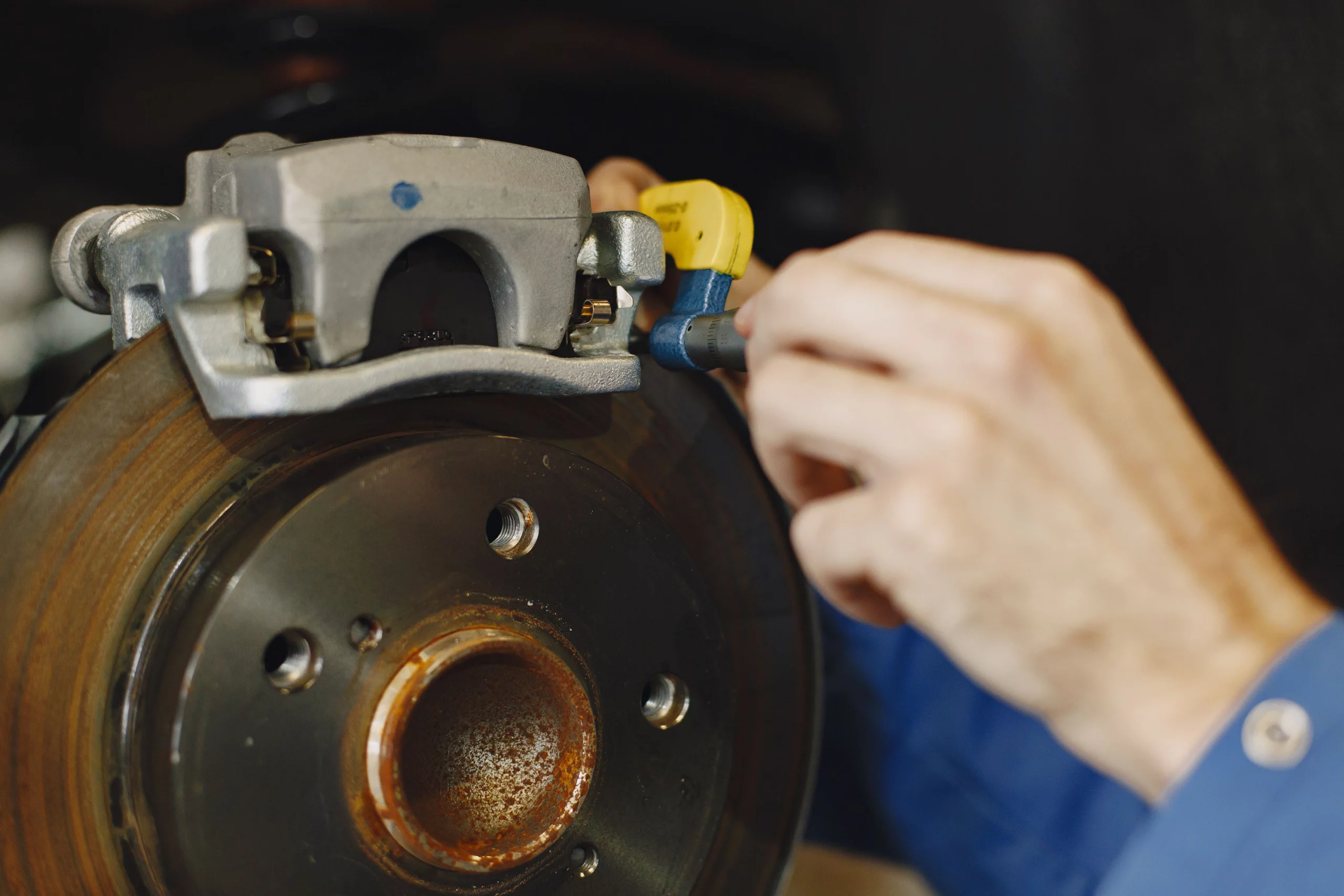
Photo by Jae Park
5. Vehicle Pulls to One Side While Braking
If your car pulls left or right when braking, it may indicate:
- A sticking brake caliper
- Uneven brake pad wear
- Brake hose issues
- Suspension problems
- Wheel alignment issues
A professional inspection can determine the exact cause before additional damage occurs.
6. Steering Wheel or Brake Pedal Vibrates
Do you feel shaking every time you apply the brakes? This commonly indicates:
- Warped brake rotors
- Uneven rotor wear
- Brake component damage
Brake vibration usually becomes worse over time if left unrepaired.
7. Brake Warning Light Appears
Modern vehicles continuously monitor the braking system. If your dashboard displays a Brake Warning Light or ABS Warning Light, your vehicle should be inspected as soon as possible. Dashboard warning lights should never be ignored.
8. Burning Smell After Driving
A strong burning smell coming from your wheels after driving may indicate overheated brakes, sticking brake calipers, or excessive brake friction. Pull over safely and allow the brakes to cool. If the smell continues, arrange for a professional inspection before driving further.
9. Visible Wear on Brake Pads
You can often inspect your brake pads through the wheel. If less than approximately 3–4 mm of friction material remains, replacement is generally recommended. Regular inspections help catch wear before it damages other braking components.
10. It's Been Years Since Your Last Brake Inspection. Even if your brakes seem fine, routine inspections are essential. Driving habits, traffic conditions, weather, and mileage all affect brake wear. At Arman Fine Auto & Repair Center, we recommend having your braking system inspected during regular maintenance or whenever you notice unusual sounds or changes in braking performance.
How Long Do Brake Pads Usually Last?
Brake pad lifespan varies depending on driving habits, city versus highway driving, vehicle weight, brake pad material, and traffic conditions. Many brake pads last between 40,000 and 80,000 kilometres, but some may require replacement sooner depending on usage.
Drivers who frequently operate in stop-and-go traffic, such as Uber, Lyft, taxi, and delivery drivers, often experience faster brake wear.
Don't Forget About Brake Rotors
Brake pads and brake rotors work together. If brake pads are replaced too late, the rotors may also require replacement. Replacing brake pads before excessive wear develops often reduces the overall repair cost.
Brake Fluid Is Just as Important
Brake fluid transfers the force from your foot to the braking system. Over time, brake fluid absorbs moisture, reducing braking performance. Signs your brake fluid may need servicing include:
- Soft brake pedal
- Reduced braking performance
- Dark or contaminated brake fluid
- Brake warning light
Routine brake fluid replacement helps protect the entire braking system.
Professional Brake Inspections You Can Trust
When you visit Arman Fine Auto & Repair Center, our technicians inspect:
- Brake pads
- Brake rotors
- Brake calipers
- Brake fluid
- Brake lines
- ABS components
- Brake hardware
- Overall braking performance
We believe in honest recommendations and transparent pricing. If your brakes are still safe, we'll tell you. If repairs are needed, we'll explain exactly why and provide options that fit your needs.
Save 30% on Labour for Brake Repairs with Our Premium Membership
Vehicle maintenance shouldn't break the bank. That's why we created the Arman Fine Auto Premium Membership. For only $99 CAD per year, Premium Members receive 30% off labour on eligible services for an entire year. Member savings include:
Brakes
If you drive for Uber, Lyft, Uber Eats, DoorDash, SkipTheDishes, Instacart, or Amazon Flex, maintaining your brakes is essential — and our membership helps make it much more affordable.
Why Drivers Choose Arman Fine Auto & Repair Center
Drivers throughout North York, Toronto, Vaughan, York University, Downsview, Finch, Weston Road, and the Greater Toronto Area choose us because we provide:
- Honest recommendations
- Experienced technicians
- Quality replacement parts
- Fair pricing
- Family-owned customer service
- Modern diagnostic equipment
- Transparent estimates
- Fast turnaround times
Our mission is simple: keep your vehicle safe, reliable, and ready for the road.
Book Your Brake Inspection Today
If you've noticed squeaking, grinding, vibration, warning lights, or reduced braking performance, don't wait until a small issue becomes a costly repair.
Whether you need new brake pads, brake rotors, brake fluid service, or a complete brake inspection, Arman Fine Auto & Repair Center is here to help.
We proudly serve drivers throughout North York, Toronto, Vaughan, and the Greater Toronto Area with trusted automotive repairs, honest advice, and exceptional customer service.
Book Your Brake InspectionFrequently Asked Questions
How often should brakes be inspected?
It's a good idea to have your brakes inspected at least once a year or whenever you notice unusual noises, vibrations, warning lights, or reduced braking performance.
Can I drive with squeaky brakes?
Squeaking often indicates worn brake pads. While it doesn't always mean immediate danger, it's best to have them inspected promptly to avoid more expensive repairs.
What happens if I ignore grinding brakes?
Grinding usually means the brake pads have worn completely through. Continuing to drive can damage the rotors and calipers, increasing repair costs and reducing braking performance.
How much does brake replacement cost?
The cost depends on your vehicle and the components being replaced. Replacing brake pads early is generally much less expensive than waiting until the rotors or calipers are damaged.
Can worn brakes damage other parts of my vehicle?
Yes. Delaying brake repairs can lead to damaged rotors, calipers, wheel bearings, and additional wear on other braking components.