




Brake Pad vs. Brake Rotor Replacement: What's the Difference and When Do You Need Each?

When it comes to vehicle safety, few systems are more important than your brakes. Every time you slow down or come to a stop, your brake pads and brake rotors work together to safely bring your vehicle to a halt.
Many drivers hear terms like brake pads, brake rotors, or brake discs but aren't always sure what they do — or whether they need to replace one or both.
Understanding the difference can help you make informed decisions, avoid unnecessary expenses, and keep your vehicle performing safely. At Arman Fine Auto & Repair Center, we proudly help drivers throughout North York, Toronto, Vaughan, York University, Downsview, Finch, Weston Road, and the Greater Toronto Area with professional brake inspections, brake repairs, and preventative maintenance.
How Your Braking System Works
When you press the brake pedal, hydraulic pressure activates the brake calipers, the calipers squeeze the brake pads, the brake pads press firmly against the brake rotors, friction slows the rotating wheels, and your vehicle safely comes to a stop. Because both brake pads and rotors experience friction every time you brake, they naturally wear over time.
What Are Brake Pads?
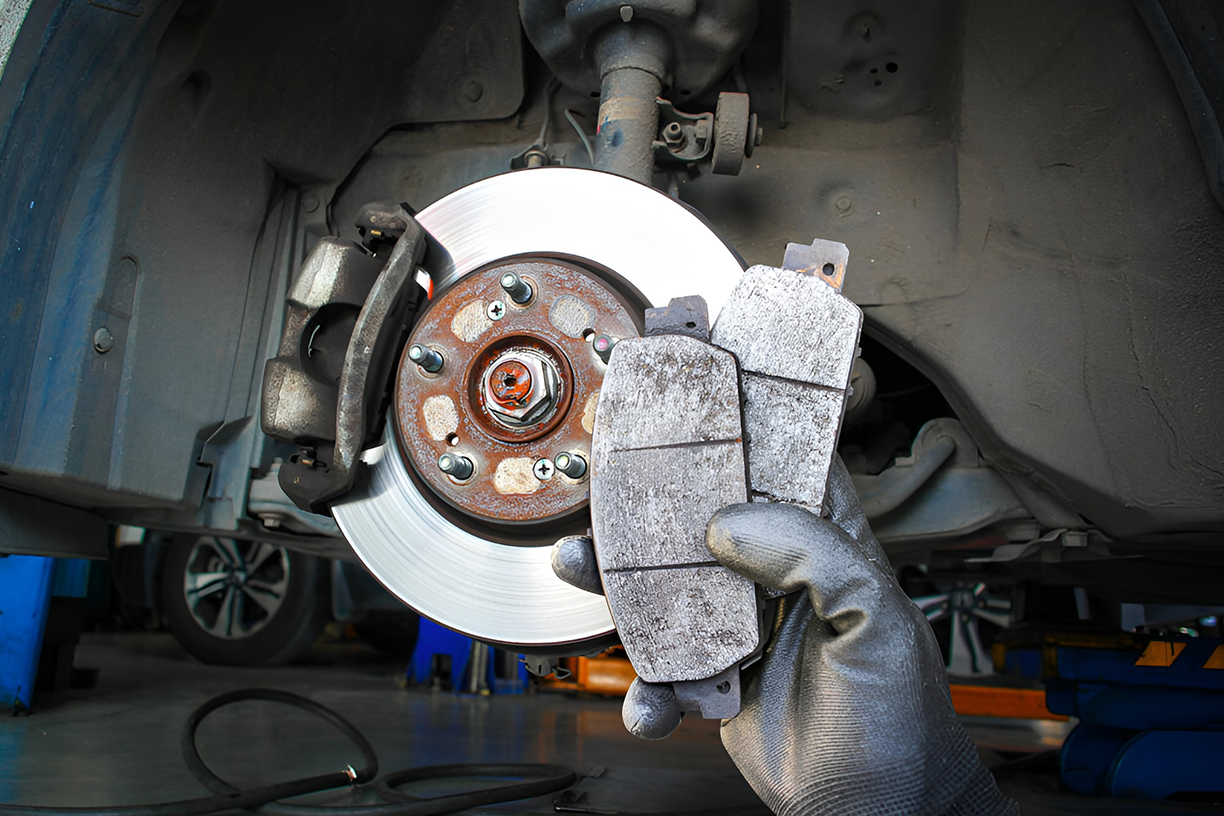
Brake pads are the replaceable friction material inside your braking system. Their job is to create the friction needed to slow your vehicle while protecting the more expensive brake rotors. Think of brake pads as the part designed to wear out first.
Common signs your brake pads need replacing:
- Squeaking or squealing brakes
- Grinding sounds
- Reduced braking performance
- Brake warning light
- Longer stopping distances
- Less than 3–4 mm of pad material remaining
Replacing brake pads before they wear completely helps protect the rest of your braking system.
What Are Brake Rotors?
Brake rotors (also called brake discs) are the large metal discs attached to each wheel. Every time you apply the brakes, the brake pads clamp onto the rotors to create the friction needed to stop the vehicle. Unlike brake pads, rotors usually last much longer — but they also experience wear.
Your rotors should be inspected if you notice steering wheel vibration while braking, brake pedal pulsation, deep grooves on the rotor surface, cracks or heat spots, excessive rust, or grinding noises after brake pad wear.
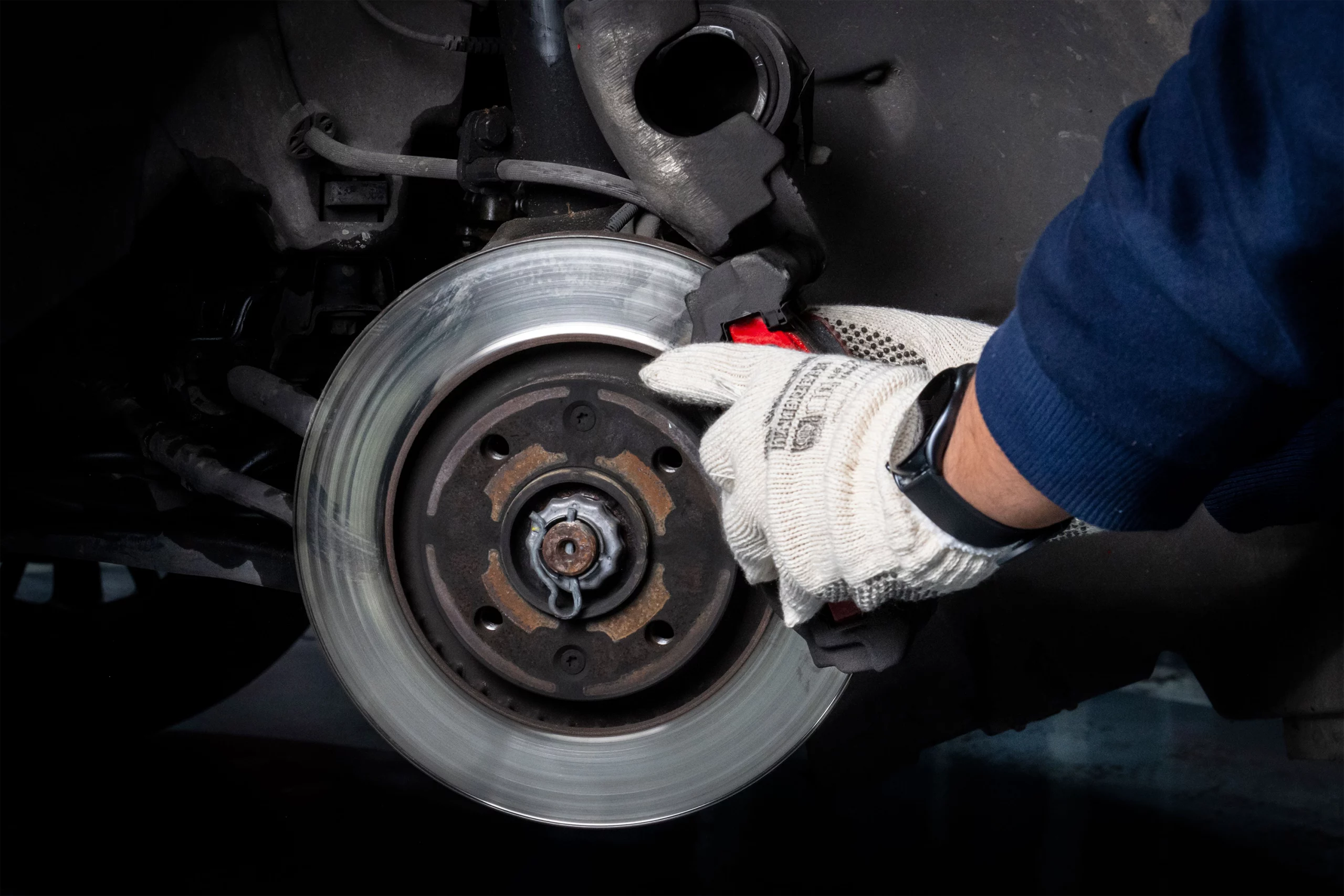
Photo by agustin olmedo
Do Brake Pads and Rotors Always Need to Be Replaced Together?
Not always. In many cases, only the brake pads require replacement, and the rotors remain within specifications and can continue to provide safe performance. However, there are situations where replacing both components at the same time is the best option.
When Should Both Brake Pads and Rotors Be Replaced?
Your technician may recommend replacing both if the rotors are below the minimum thickness, the rotor surface is severely damaged, the rotors are warped, deep grooves are present, or brake pad wear has damaged the rotor surface. Replacing worn rotors alongside new brake pads can help restore smooth braking performance and reduce the risk of premature brake pad wear.
Can Rotors Be Resurfaced Instead of Replaced?
In some situations, yes. If the rotors still meet the manufacturer's minimum thickness specifications and only have minor surface imperfections, they may be resurfaced (machined) to create a smooth braking surface. However, many modern rotors are manufactured thinner than older designs, making replacement the safer and more practical option once significant wear has occurred. A professional inspection will determine the best solution for your vehicle.
What Causes Brake Pads to Wear Faster?
Several factors affect brake pad lifespan, including heavy city driving, stop-and-go traffic, aggressive braking, carrying heavy loads, driving in hilly areas, and high annual mileage. Drivers who work for Uber, Lyft, Uber Eats, DoorDash, SkipTheDishes, or Instacart often experience faster brake wear due to frequent stopping.
Why routine brake inspections matter. Brake problems usually develop gradually. Regular inspections can identify worn brake pads, rotor wear, brake fluid issues, caliper problems, brake hose condition, and uneven brake wear. Early detection often prevents more expensive repairs later.
Professional Brake Service at Arman Fine Auto & Repair Center
Our experienced technicians carefully inspect your entire braking system — not just one component. Our brake inspections include checking brake pads, brake rotors, brake calipers, brake fluid, brake hoses, brake hardware, wheel bearings (when applicable), and overall braking performance. We provide honest recommendations and only suggest repairs your vehicle truly needs.
Save 30% on Labour for Brake Service with Our Premium Membership
Keeping your brakes in excellent condition is more affordable with the Arman Fine Auto Premium Membership. For just $99 CAD per year, Premium Members receive 30% off labour on eligible services for an entire year.
Brakes
Whether you commute daily or drive professionally, maintaining your braking system helps protect both your vehicle and everyone on the road.
Why Drivers Choose Arman Fine Auto & Repair Center
Drivers across North York, Toronto, Vaughan, York University, Downsview, Finch, Weston Road, and the Greater Toronto Area trust us because we provide:
- Honest recommendations
- Family-owned customer service
- Experienced technicians
- Modern diagnostic equipment
- Quality replacement parts
- Transparent pricing
- Fast turnaround times
- Premium Membership labour savings
Our mission is simple: provide reliable brake service that keeps your vehicle stopping safely and confidently.
Book Your Brake Inspection Today
If you've noticed squeaking brakes, grinding noises, vibrations, or reduced stopping performance, don't wait for the problem to worsen.
At Arman Fine Auto & Repair Center, we provide professional brake inspections, brake pad replacement, rotor replacement, brake fluid service, and complete brake system diagnostics.
We proudly serve drivers throughout North York, Toronto, Vaughan, and the Greater Toronto Area. Safe brakes don't just protect your vehicle — they help protect everyone on the road.
Book A Brake Inspection

Frequently Asked Questions
Can I replace just my brake pads?
Yes. If your brake rotors are still within the manufacturer's specifications and in good condition, replacing only the brake pads is often appropriate.
How do I know if my rotors are worn out?
Common signs include steering wheel vibration while braking, pedal pulsation, deep grooves, excessive rust, or rotors that measure below the minimum thickness.
Are brake pads and brake rotors replaced at the same time?
Not always. Many vehicles only need new brake pads, while others benefit from replacing both pads and rotors depending on their condition.
How often should my brakes be inspected?
Brake inspections are recommended during routine maintenance visits or whenever you notice changes in braking performance, unusual noises, or vibrations.
Can worn brake pads damage the rotors?
Yes. Driving with severely worn brake pads can allow metal components to contact the rotors, causing additional damage and increasing repair costs.
RELATED ARTICLES
More Articles
- OEM vs. Aftermarket Parts
- Preparing Your Vehicle for a Road Trip
- Summer Car Maintenance Checklist
- Why Your Car Pulls to One Side
- How to Know When You Need New Tires
- How Often Should You Change Your Oil?
- Signs Your Vehicle Needs a Wheel Alignment
- Tire Rotation Guide
- How Long Does a Car Battery Last?
- Transmission Fluid Change Guide
- Introducing Our Premium Membership Program