Your engine needs more than fuel and oil to run properly. It also needs a steady supply of clean air.
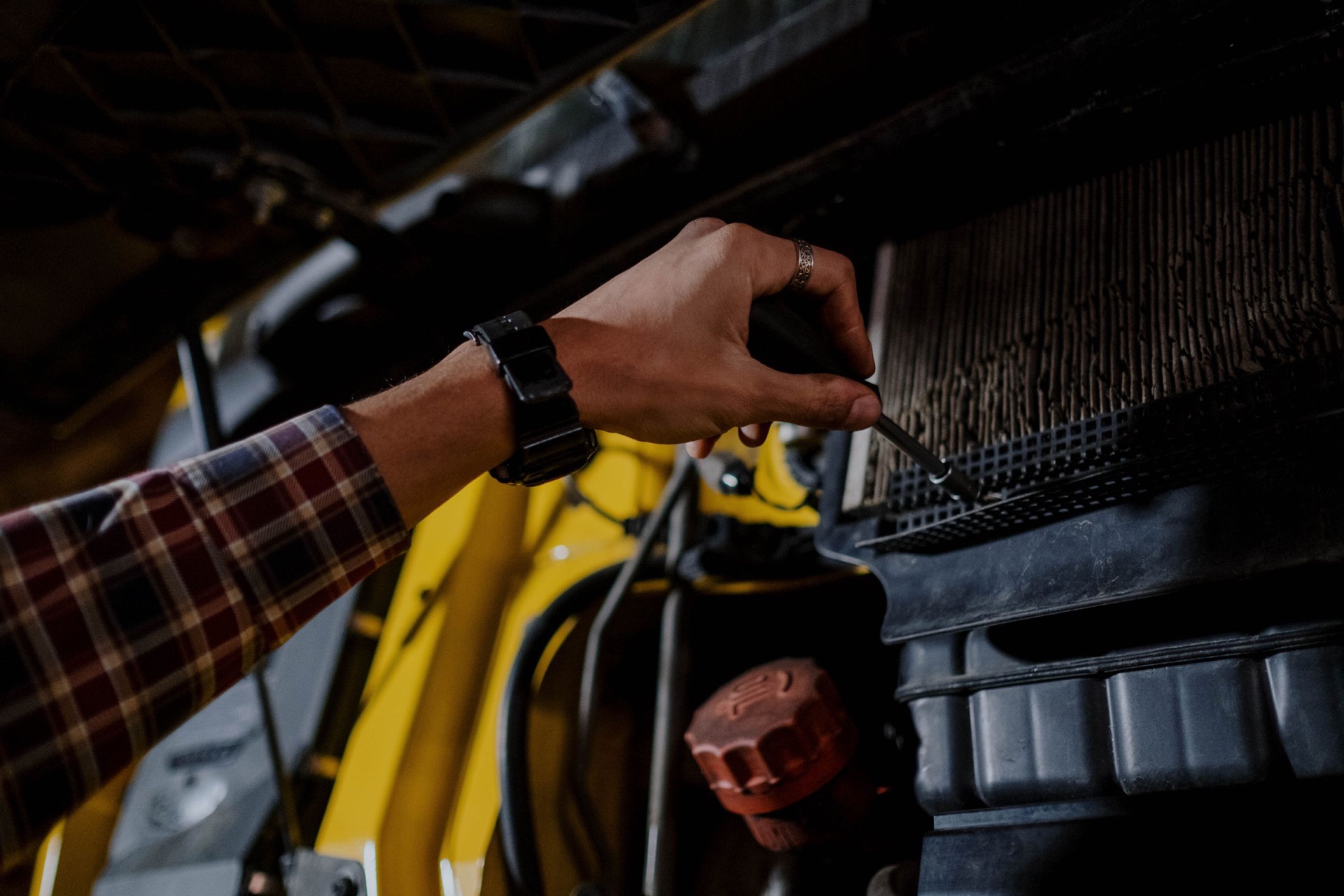
The engine air filter catches dust, dirt, pollen and other particles before they reach the engine's intake. Over time it fills up and can become restricted, which is why inspecting and replacing it is part of routine maintenance.
How often should you replace it? Can a dirty filter hurt fuel economy? Is a premium filter worth paying for? This guide covers how engine air filters work, the signs of a restricted one, and how to choose the right replacement.
Do you know when your engine air filter was last changed?
What does an engine air filter do?
A combustion engine mixes air and fuel to make the energy that moves your car. The air filter keeps unwanted particles out of the intake. Dust and abrasive debris getting into the engine can add to wear, while a badly restricted filter makes it harder for the engine to draw in air.
Most modern cars use a replaceable filter element inside an air-filter box connected to the intake. The design varies by make and model, but the job is the same: supply clean air while letting enough of it through.
Five signs your engine air filter may need replacing
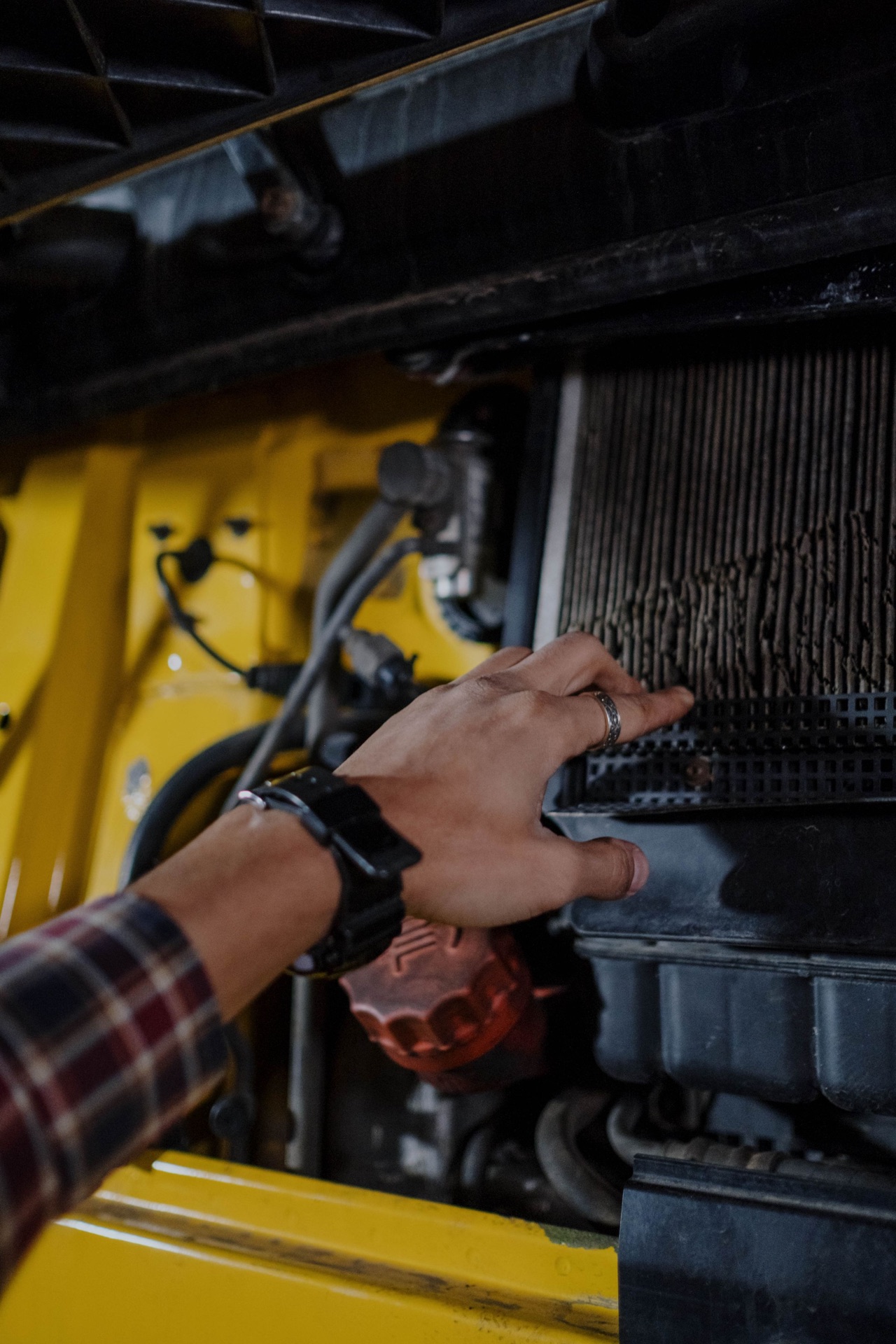
1. The filter looks dirty or damaged
A visual check can reveal built-up debris, tears, damaged seals or other problems. Colour alone isn't a reliable guide, though. Some filters naturally look darker than others, and a filter can look fine while still being due under the manufacturer's schedule. Use the service interval and the filter's actual condition together.
2. The car feels less responsive
A badly restricted filter can affect airflow and performance. But if the car feels sluggish, don't automatically blame the filter: ignition problems, fuel delivery issues, sensor faults and other mechanical conditions can feel the same.
3. Fuel economy changes
A restricted filter may affect how the engine runs in some cases, but a new filter isn't guaranteed to make a noticeable difference to fuel use. If consumption rises unexpectedly, also consider driving conditions, tire pressure, maintenance history and possible mechanical faults.
4. The check engine light comes on
A dirty air filter doesn't automatically trigger the check engine light. The light may point to an intake sensor such as the mass air flow sensor, the fuel mixture or another engine-management part. A proper diagnosis is more useful than replacing parts on a guess. Here's what your check engine light means.
5. You've been driving in dusty conditions
Unpaved roads, construction zones and dusty areas load a filter faster. If you drive in these conditions often, check the filter more frequently and follow the manufacturer's severe-service recommendations where they apply.
How much of your driving is on gravel roads or near construction?
How often should you replace an engine air filter?
There's no single interval for every vehicle. The right one depends on the manufacturer's recommendation, the engine, the filter type and how you drive. Your owner's manual or maintenance schedule is the best starting point, and Ontario's MTO handbook on maintaining your vehicle makes the same point: follow the schedule for your car.
A filter used mostly on clean paved roads may last longer than one exposed to dust or gravel. Ask for an inspection during routine maintenance, like your next oil change, rather than relying on one universal number.
Engine air filter vs. cabin air filter
These two filters do different jobs.
| Feature | Engine air filter | Cabin air filter |
|---|---|---|
| Main purpose | Protects the engine's intake system | Filters air entering the passenger cabin |
| Typical location | Engine compartment or intake housing | Often behind the glove box or under the dashboard |
| What it filters | Dust and debris before air enters the engine | Dust, pollen and other airborne particles |
| When restricted | Possible airflow or performance concerns | Weaker ventilation or unpleasant airflow |
| Replacement interval | Vehicle-specific | Vehicle-specific |
One doesn't replace the other. A clean cabin filter doesn't protect the engine, and a clean engine filter doesn't improve the air you breathe inside the car.
Can you clean and reuse an engine air filter?
That depends on the design. Many standard paper filters are meant to be replaced, not washed, and cleaning them the wrong way can damage the filter material or reduce how well it traps particles. Some reusable filters are designed to be cleaned and re-oiled, following specific instructions and products. Never assume every filter can be cleaned safely.
Should you buy an expensive engine air filter?
Not necessarily. What matters most is:
- The correct fit for your vehicle
- Appropriate filtration performance
- Meeting the manufacturer's specifications
- Solid construction
- Suitability for your driving conditions
A pricier filter isn't automatically better, and the cheapest one isn't good value if its fit or filtration is questionable. For most drivers, a quality filter that meets the vehicle's requirements is the sensible choice.
Can you replace an engine air filter yourself?
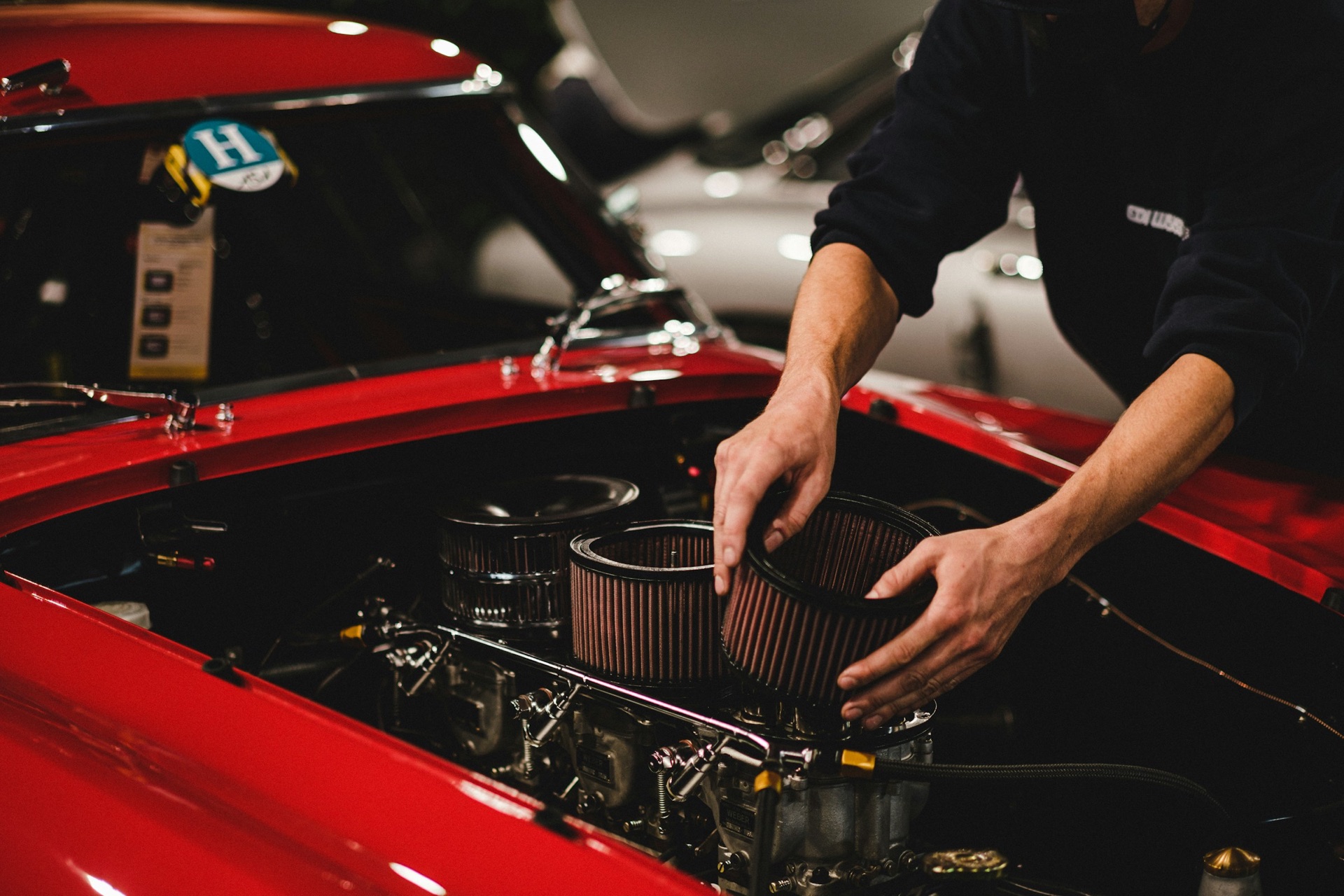
On many cars it's a straightforward job. The housing may be held by clips or screws and can sometimes be opened without special tools. Layouts vary, so before you start:
- Confirm the correct filter part number.
- Check the owner's manual.
- Make sure the engine is off and the car is safely parked.
- Open the housing without breaking clips or connectors.
- Check the housing for debris or damage.
- Install the filter the right way round.
- Make sure the housing closes and seals properly.
Don't let debris fall into the clean side of the intake. If the housing is hard to reach or has sensors and complex ducting, a shop visit may be the better option.
What happens if you ignore a restricted filter?
A badly restricted or damaged filter can reduce airflow, and if its seal or filter material has failed, it may let contaminants into the intake. The effects depend on the vehicle and how bad the problem is. A regular check costs little compared with neglecting a wider intake or engine issue, which is a big part of why preventative maintenance saves money.
Would you rather check a filter now or chase an intake problem later?
Oil & Routine Maintenance
6 services
- Top-grade synthetic oil and a new oil filter. Best protection, longer between changes. Air filters checked free; replacement extra.
- Regular oil and a new oil filter. Good, low-cost care for most cars. Air filters checked free; replacement extra.
- New air filter so the engine breathes clean air and saves fuel.
- New filter for the air you breathe inside the car. Less dust and smell.
- New spark plugs for easy starts, smooth idle and better fuel use.
- New drive belt. Stops squealing and keeps the alternator and A/C running.
Prices are starting prices from our shop menu. Your exact price depends on the vehicle and parts, and we always confirm a firm quote before any chargeable work begins.
A clean, correctly fitted filter is a simple way to support good maintenance without paying for upgrades your car may not need. We check it on every visit and replace it when it's actually due; see our tune-ups and filters service.
Is your air filter due?
We check the filter on every visit, show it to you, and only replace it when it's due. Engine air filter replacement from $50.