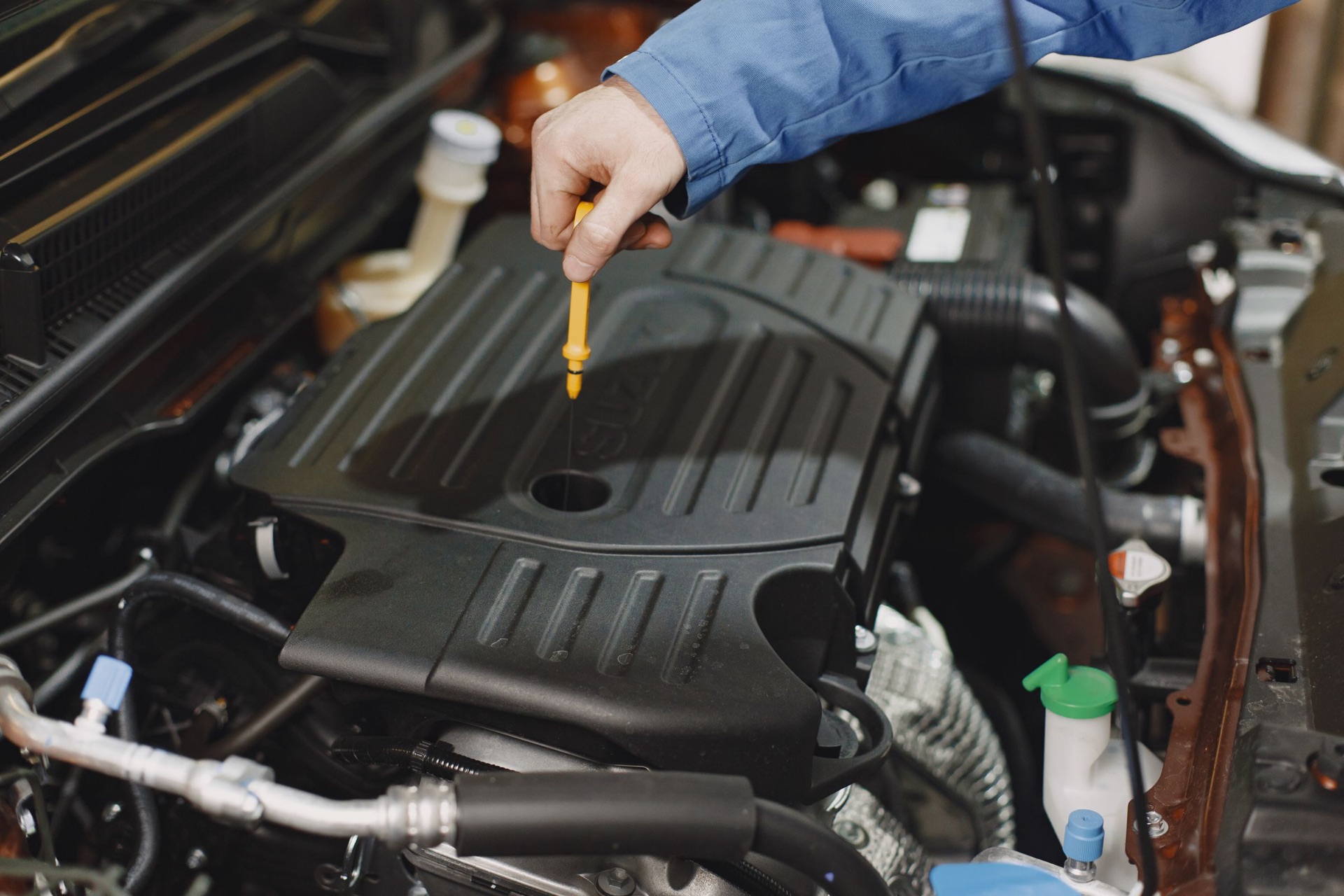
Turning the steering wheel should feel smooth, predictable and easy. If the steering suddenly gets stiff, whines, or leaves reddish or amber fluid under the car, the power steering system may need attention.
On cars with hydraulic power steering, the fluid carries the pressure that helps you steer. Wrong fluid, low levels, leaks and contaminated fluid can all cause problems. Not every modern car uses hydraulic steering, though. Many use electric power steering, which has no conventional steering fluid.
This guide explains how to identify your system, spot warning signs, understand fluid specifications and know when to have it checked.
Does your steering feel heavier or noisier than it used to?
What is power steering fluid?
Power steering fluid is a hydraulic fluid used in cars with hydraulic power steering. A pump pressurizes the fluid, and that pressure assists the mechanism that turns the wheels, so you need less effort at the wheel. A typical hydraulic system includes:
- A fluid reservoir
- A power steering pump
- Pressure and return hoses
- A steering gear or rack
- Seals and connections
The layout varies by vehicle. The fluid transmits hydraulic pressure and lubricates parts of the system, and it must meet the manufacturer's specification to work properly.
Does every car use power steering fluid?
No. Many newer vehicles use electric power steering, which relies on an electric motor and control system instead of a hydraulic pump and fluid. Some use electro-hydraulic systems, which still contain hydraulic fluid but drive the pump differently.
Before you buy fluid or hunt for a reservoir, find out which system your car has. Don't assume every car has a power steering reservoir.

Six signs of a power steering problem
1. Steering becomes difficult
If the car suddenly takes much more effort to steer, something in the steering system may be failing. On a hydraulic system, possible causes include low fluid, a failing pump, belt-drive problems, leaks or mechanical faults. If the pump is belt-driven, our guide on when to replace a serpentine belt explains that link. Electric systems have their own electrical and mechanical faults.
Sudden or severe steering difficulty is a safety concern. Stop somewhere safe and arrange help if the car is hard to control.
2. Whining or groaning
A hydraulic pump may whine or groan when fluid is low, air has got into the system or a part is failing. The noise alone doesn't identify the problem; the pump, fluid level, hoses and other parts may need checking.
3. Fluid leaks
Fluid can leak from hoses, connections, seals, the pump or the steering gear. Colour varies by product and changes with age, so don't identify a leak by colour alone. If you suspect a leak, have the source found rather than topping up again and again.
4. Foamy or discoloured fluid
Foam can mean air is getting into the system or something is affecting circulation. The fluid's appearance can also change with age, contamination or its original formula. Follow the manufacturer's inspection procedure and never open a hot system.
5. Steering assist changes
If steering effort changes unexpectedly, the hydraulic or electric assist may not be working properly. Causes include fluid problems, pump or motor faults, electrical issues and mechanical steering problems. A car that also drifts may have a separate issue; see why your car pulls to one side.
6. A steering warning light comes on
Some cars show a steering-system warning when a fault is detected. What it means depends on the vehicle, so check the owner's manual and arrange a diagnosis, especially if steering effort has changed.
Do you see a damp spot under the front of the car after it has been parked?
How often should power steering fluid be changed?
There's no universal interval. Some manufacturers specify fluid replacement at set intervals or under certain conditions; others give inspection guidance instead of a routine replacement. Check your owner's manual or maintenance schedule. Fluid condition, system design, operating conditions and the manufacturer's recommendations should decide whether replacement is needed.
Which power steering fluid should you use?
This is one of the most important parts of power steering care. Different vehicles may need a dedicated power steering fluid, a specified automatic transmission fluid, or another manufacturer-approved hydraulic fluid. They aren't automatically interchangeable, and the wrong one can affect seals, lubrication, hydraulic performance and durability. Before you top up or replace fluid:
- Identify your exact vehicle and steering system.
- Check the owner's manual or manufacturer service information.
- Confirm the required fluid specification.
- Follow the specified fill and check procedure.
- Don't mix products unless the manufacturer allows it.
If you aren't sure which fluid your car needs, confirm the specification before adding anything.
What happens if power steering fluid is low?
Low fluid reduces hydraulic assist and can lead to noise, overheating or damage if the pump runs without enough fluid. More importantly, low fluid usually means something needs attention, especially if the level keeps dropping. Having to top up steering fluid regularly is not normal. Find and fix the leak before it gets worse.
Can you drive with low power steering fluid?
It depends on the vehicle and how low it is, but driving with low fluid can damage hydraulic parts and reduce steering assist. If steering becomes suddenly heavy, noisy or unpredictable, stop when it's safe and arrange help. Don't keep driving just because the car still moves. Electric power steering faults need their own assessment and shouldn't be treated as low-fluid problems.
Power steering fluid vs. transmission fluid
Some cars specify a particular automatic transmission fluid for their hydraulic steering; others need a dedicated power steering fluid or another product. That doesn't mean transmission fluid works in every power steering system. The manufacturer's specification is what counts. Never choose a fluid by colour, or by advice meant for a different vehicle.
Can you flush power steering fluid yourself?
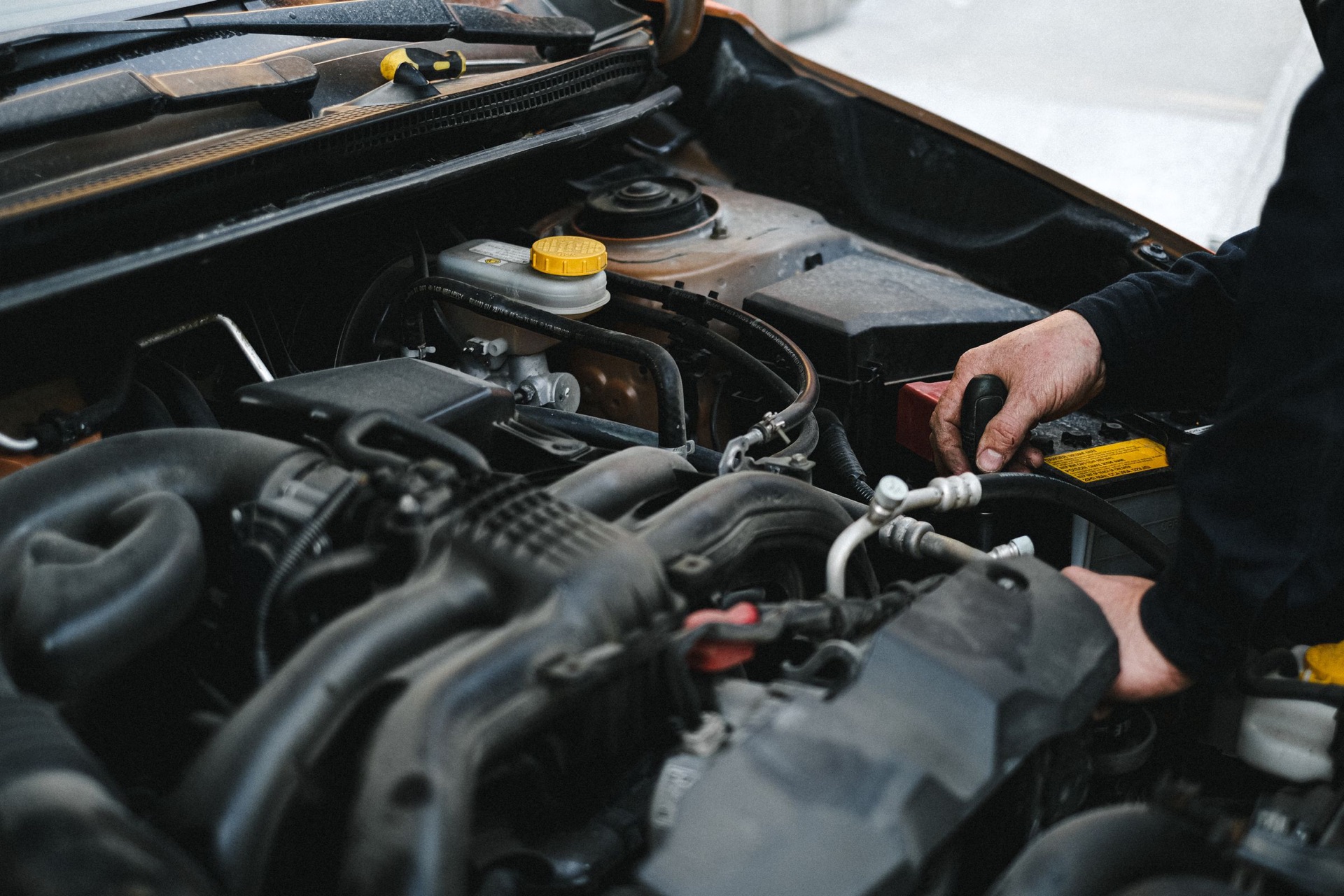
Some systems have a fluid-exchange procedure; others need specialized equipment or steps. Poor bleeding can leave air in the system, and improper service can damage parts or cause steering problems. Check the manufacturer's procedure, fluid specification and safety requirements first. If the system is leaking, noisy or hard to steer, diagnose the cause before assuming a fluid change will fix it.
How to look after your steering system
- Follow the manufacturer's maintenance schedule
- Use only the specified fluid
- Check for leaks at each service
- Deal with whining or groaning promptly
- Don't run a hydraulic pump low on fluid
- Notice changes in steering effort
- Don't ignore steering warning lights
Maintenance can't prevent every failure, but early attention can stop a small problem from becoming a bigger one. It's the same idea behind all preventative maintenance.
Do you know whether your car has hydraulic or electric power steering?
Fluids & Drivetrain
4 services
Suspension & Steering
4 services
- Fix clunks and loose steering from worn suspension parts.
Prices are starting prices from our shop menu. Your exact price depends on the vehicle and parts, and we always confirm a firm quote before any chargeable work begins.
Steering is a safety-critical system. If your car has hydraulic steering, keep the fluid at the right level with the right product and have leaks or noises checked promptly; if it has electric steering, fluid service may not apply at all. When the steering feels off or a warning appears, book a steering inspection, and don't delay if the car becomes hard to control.
Heavy, noisy or leaking steering?
We identify your steering system, find any leak and use the fluid your manufacturer specifies. Power steering fluid service from $100.