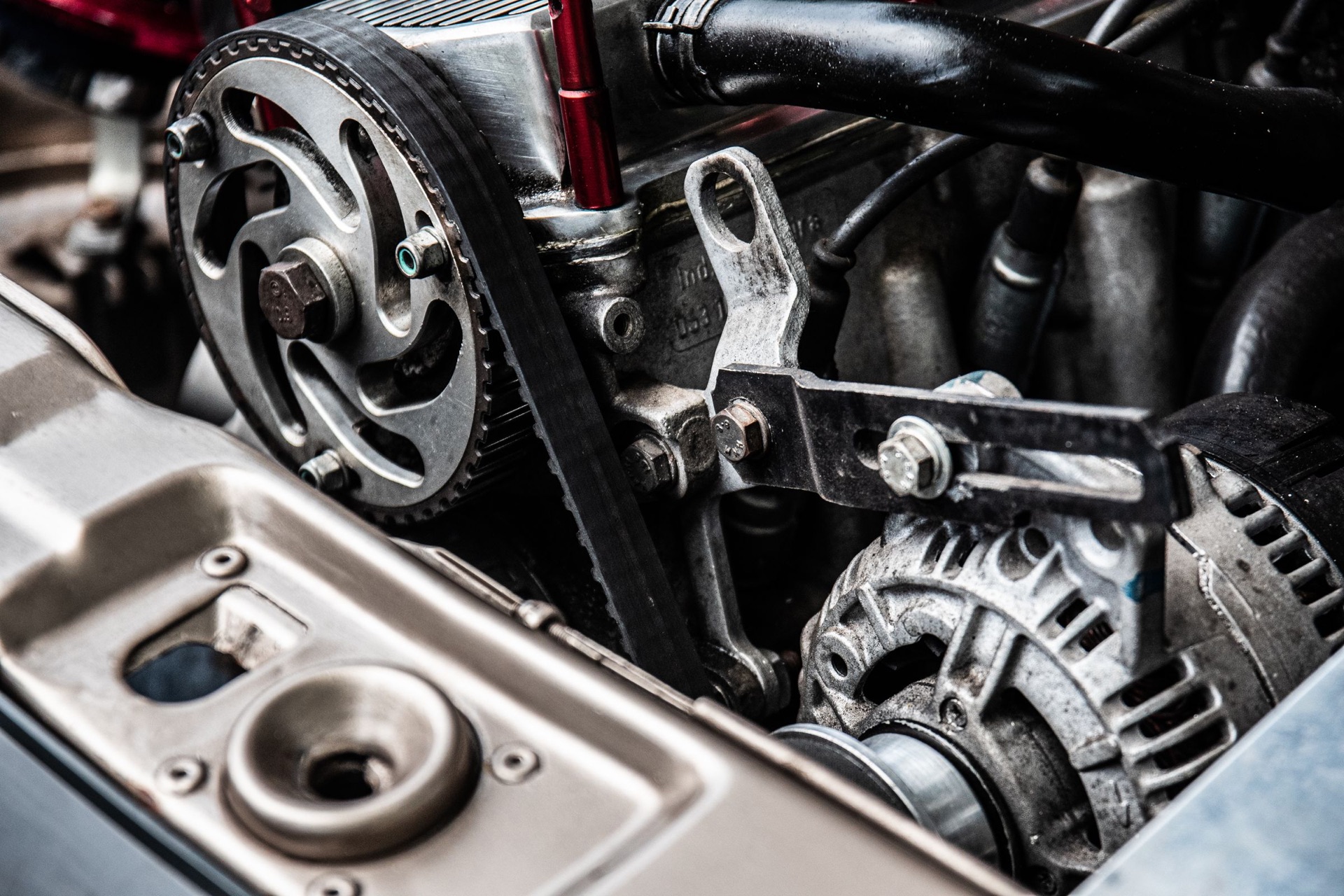
The serpentine belt is easy to forget until something goes wrong. This long, flexible belt carries power from the engine to accessories such as the alternator, the air-conditioning compressor and other belt-driven parts, depending on the vehicle.
If the belt cracks, slips, frays or breaks, the result can range from an annoying squeal to losing important accessories. On some engines, a failed belt can lead to overheating or other serious problems.
So how do you know when it needs replacing, and what should you do about a squeal from under the hood?
Do you hear a squeal from under the hood on cold or wet mornings?
What is a serpentine belt?
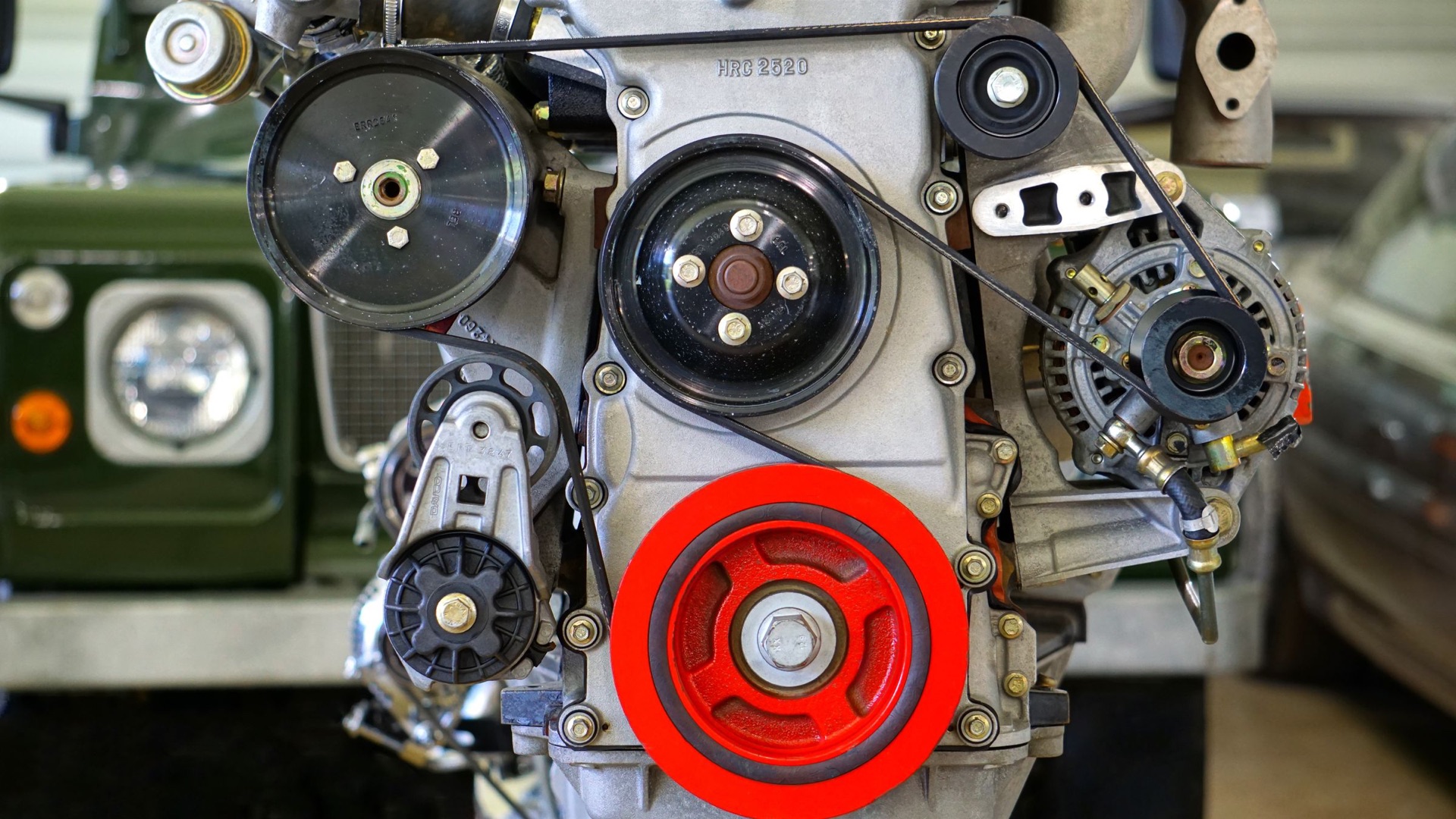
A serpentine belt is one continuous belt that winds around several pulleys, transferring the engine's rotation to the accessories that need it. Depending on the vehicle, these may include:
- The alternator
- The air-conditioning compressor
- The power steering pump, on hydraulic systems
- Other belt-driven accessories
Some vehicles use different belt layouts, and some accessories are electrically driven instead. What happens when a belt fails depends on your engine's accessory layout.
Seven signs your serpentine belt may need replacing
1. Squealing or chirping
A squeal can mean belt slip, contamination, tension problems, pulley misalignment or a worn accessory. A chirp can also point to pulley alignment or bearing problems. The sound alone doesn't prove the belt is faulty; a technician should inspect the whole belt-drive system.
2. Visible cracks or fraying
Older belts often showed obvious cracking as they aged. Modern belt materials can wear differently, so visual checks should follow the manufacturer's guidance. Look for frayed edges, missing chunks, exposed cords or damaged sections. Never reach into a running engine to check a belt.
3. Accessories lose power
If the belt drives the alternator, a failure can stop it from charging. You may see a battery warning light or have electrical problems. On cars with belt-driven power steering, steering can also become much heavier.
4. The air conditioning stops working
If the compressor is belt-driven, a belt or pulley problem can affect cooling. Weak A/C can also come from refrigerant, compressor, electrical or control problems.
5. A burning-rubber smell
A slipping belt or a seizing accessory pulley can sometimes create a burning smell. If it comes with smoke, warning lights or unusual engine behaviour, stop safely and arrange an inspection.
6. The belt looks loose or misaligned
Tension is normally set by a tensioner or another specified adjustment. A belt that looks loose, walks off a pulley or runs unevenly may point to a tensioner, pulley, alignment or installation problem. Fitting another belt without fixing the cause can lead to a repeat failure.
7. It's past the recommended service interval
Schedules differ between vehicles. The manufacturer's recommendations, inspection findings and driving conditions should guide replacement. A belt can deteriorate with age even at low mileage.
How often should a serpentine belt be replaced?
There's no universal mileage or age. Some manufacturers specify inspection intervals rather than a fixed replacement point; others give a scheduled replacement. Check the owner's manual or maintenance schedule for your exact vehicle.
Heat, oil contamination, road debris, operating conditions and the state of the pulleys and tensioner all affect belt life. If the belt is damaged, don't wait for the scheduled interval.
What makes serpentine belts wear out?
- Normal ageing and material breakdown
- Excessive heat
- Oil or other fluid contamination
- Misaligned pulleys
- Worn tensioners
- Damaged idler pulleys
- Seizing accessories
- Incorrect installation
- Debris or foreign objects
A new belt can fail early if the root cause isn't fixed. A failing tensioner, for example, can let the belt slip or run unevenly, and replacing only the belt leaves that problem in place.
Did your battery light or a heavy steering wheel show up at the same time as the noise?
What happens if a serpentine belt breaks?
It depends on what the belt drives:
- Alternator: the charging system stops working normally, and the car may eventually stall as electrical power runs short. If you've had repeated flat batteries, a belt or charging problem is worth ruling out; see how long a car battery lasts and battery boost vs. replacement.
- Hydraulic power steering pump: steering effort can increase a lot.
- Water pump, on some engines: cooling is affected and the engine can overheat quickly.
Don't assume it's safe to keep driving with a broken belt. Stop when it's safe, check the warnings and arrange help as your owner's manual advises.
Serpentine belt vs. timing belt
| Feature | Serpentine belt | Timing belt |
|---|---|---|
| Main job | Drives engine accessories | Keeps crankshaft and camshaft timing in sync |
| Typical location | Usually visible in the engine bay | Often enclosed behind timing covers |
| If it fails | Accessories stop; effects depend on layout | Can cause serious engine damage on interference engines |
| Replacement schedule | Vehicle-specific | Vehicle-specific and often critical to follow |
A timing belt matters most on an interference engine, where a failure can damage internal parts. Some engines use a timing chain instead of a belt, so don't mix up the two systems when you read your maintenance schedule.
Should you replace the tensioner at the same time?
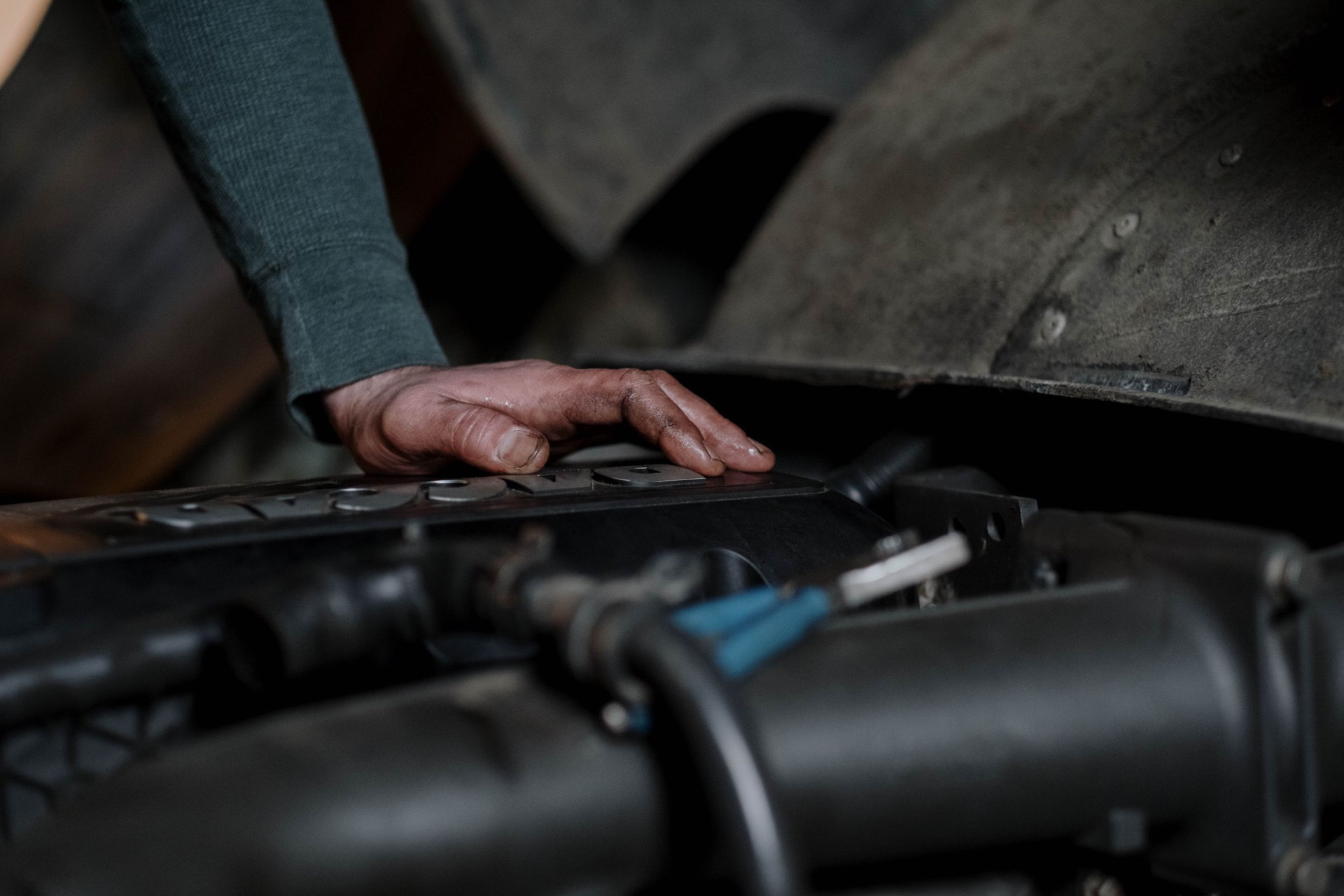
Not automatically, but the tensioner and idler pulleys should be inspected whenever the belt is serviced. If the tensioner is weak, noisy, damaged or out of specification, a new belt alone may not be enough. The same goes for worn pulley bearings or seizing accessories, such as the alternator. Ask for an assessment of the whole belt drive, not just the belt.
Can you drive with a squealing serpentine belt?
A brief noise doesn't always mean the belt is about to fail, but a persistent or worsening squeal deserves an inspection. If the noise comes with a charging warning, a rising temperature gauge, heavy steering, smoke or a strong burning smell, stop driving as soon as it's safe. Belt-driven accessories differ by vehicle, so check your owner's manual and don't assume the belt doesn't matter just because the engine still runs.
When was the belt last looked at during a service?
Oil & Routine Maintenance
6 services
- Top-grade synthetic oil and a new oil filter. Best protection, longer between changes. Air filters checked free; replacement extra.
- Regular oil and a new oil filter. Good, low-cost care for most cars. Air filters checked free; replacement extra.
- New air filter so the engine breathes clean air and saves fuel.
- New filter for the air you breathe inside the car. Less dust and smell.
- New spark plugs for easy starts, smooth idle and better fuel use.
- New drive belt. Stops squealing and keeps the alternator and A/C running.
Battery & Electrical
5 services
- Find the cause of electrical problems: lights, windows, battery drain.
Prices are starting prices from our shop menu. Your exact price depends on the vehicle and parts, and we always confirm a firm quote before any chargeable work begins.
Replacing a worn belt at the right time is sensible maintenance; finding out why it wore early is just as important. Belt and pulley checks are part of our tune-up and belt service, and part of the preventative maintenance that keeps small noises from becoming roadside breakdowns.
Squeal under the hood?
We check the belt, tensioner and pulleys together, so a new belt isn't undone by an old problem. Serpentine belt replacement from $190.