Rust is one of the biggest long-term worries for car owners in Canada. Winter road salt, moisture, temperature swings and small chips in protective coatings slowly attack exposed metal.
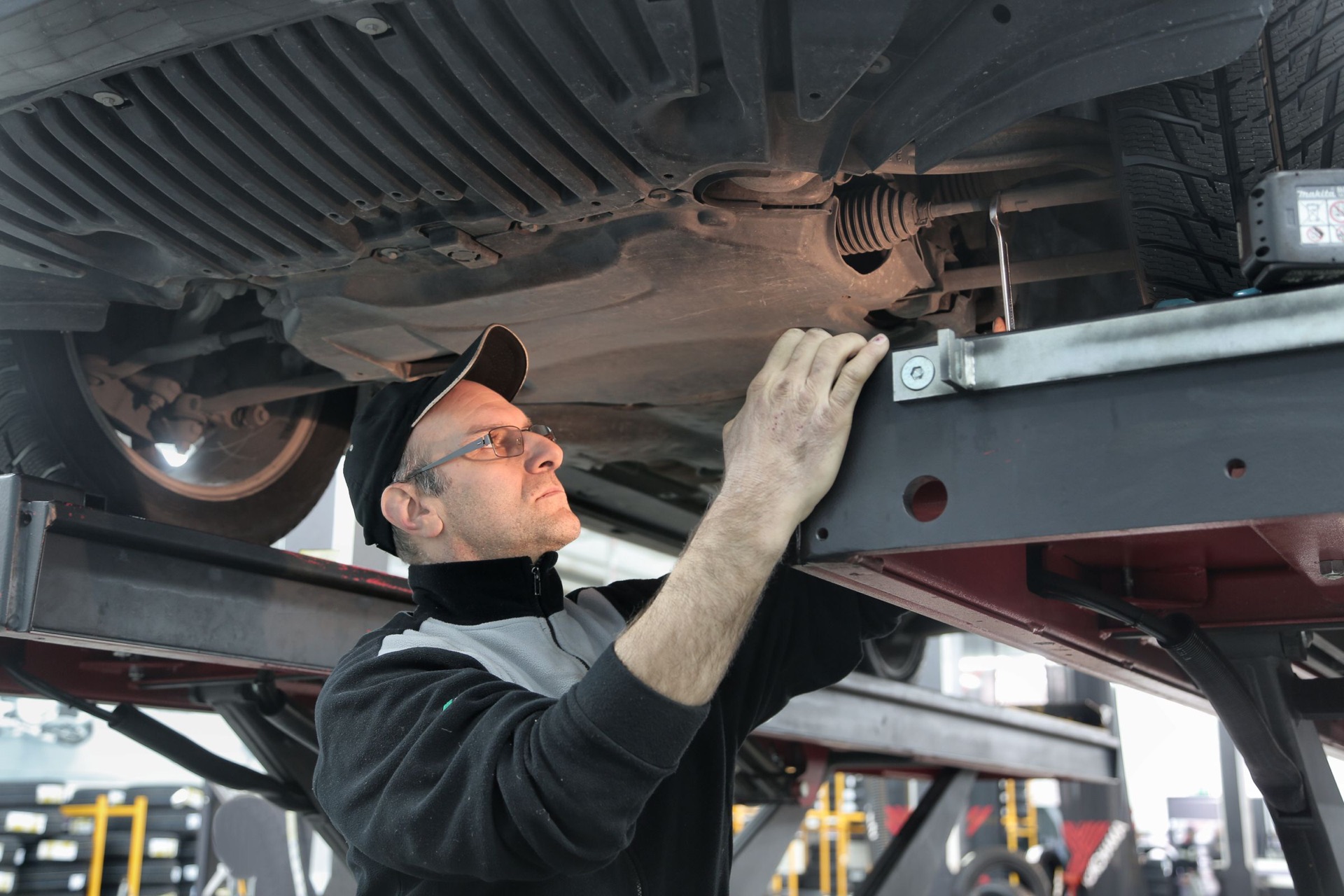
The trouble is that rust often starts out of sight. A car can look clean on the outside while corrosion is beginning underneath, along seams, inside wheel arches or near suspension mounting points.
So is rustproofing worth the money, and can it actually stop a car from rusting? The answer depends on the vehicle's condition, age, existing protection, how you drive and the type of treatment. This guide explains how rust develops, the main options, when treatment makes sense and what to know before you pay for it.
When did you last look at the underside of your car?
Why do cars rust?
Rust is a form of corrosion that forms when iron-containing metal reacts with oxygen and moisture. Road salt and other contaminants speed this up by helping the electrochemical reactions that happen on wet metal.
Canadian vehicles face plenty of risk factors:
- Salt and brine on winter roads
- Frequent wetting and drying
- Snow and slush packed underneath
- Gravel and debris that chip protective coatings
- Moisture collecting in seams and cavities
- Damaged paint or underbody protection
- Existing corrosion that has weakened the original finish
Modern cars leave the factory with corrosion protection, but no coating can guarantee that every part of a vehicle stays rust-free for life.
What is automotive rustproofing?
Rustproofing covers treatments designed to lower corrosion risk by shielding vulnerable surfaces from moisture, salt and other corrosive material. Products work in different ways: some leave a waxy or oily barrier, some are made to creep into seams and cavities, and others form a harder coating on suitable surfaces.
It isn't one universal product or procedure. The treatment should match the vehicle, the area being protected and the condition of the metal underneath.
The main types of rust protection
1. Oil-based or film-forming treatments
These leave a protective film on treated surfaces. Depending on the formula, the film may creep into seams and help push out moisture.
- Pros: can reach some seams and hard-to-access areas, may suit annual or periodic application, and help protect suitable metal from moisture and salt.
- Cons: may need reapplying, can attract dirt, needs inspection and upkeep, and must be applied carefully around brakes, exhaust parts and anywhere product contamination would be unsafe.
How often to reapply depends on the product and its maker's instructions.
2. Wax-based cavity protection
Cavity waxes are designed for enclosed or partly enclosed areas where moisture collects. They can be useful in suitable seams and cavities, but access and application matter: a treatment can't protect areas it never reaches.
3. Hard undercoating
Hard coatings form a more solid layer. They can suit specific uses when the surface is properly prepared and the product is designed for it. But a hard coating over existing rust, trapped moisture or poorly prepared metal can hide deterioration and make later inspections harder. Not every car needs extra hard undercoating; the factory coatings and the condition of the underside come first.
4. Paint protection and chip repair
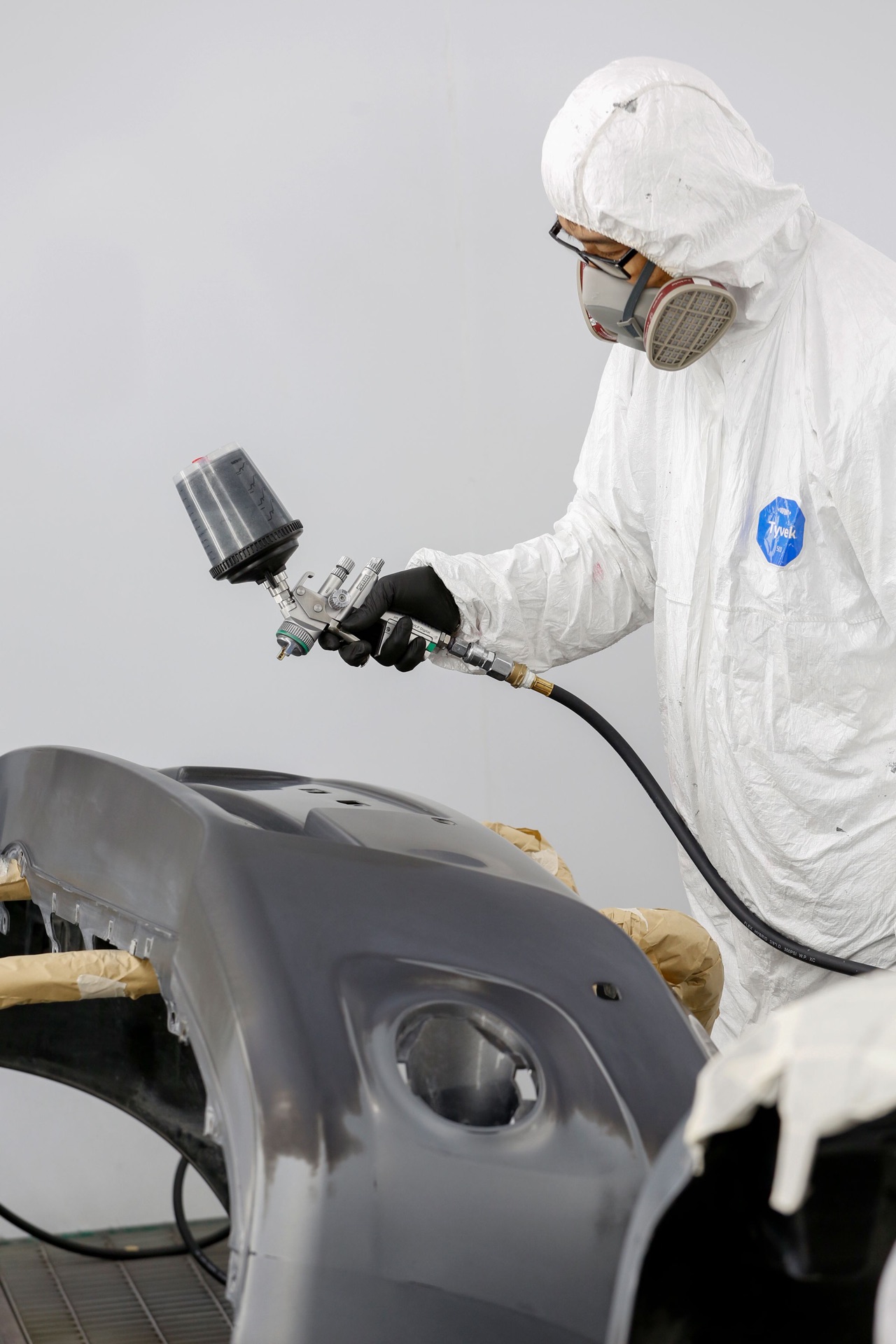
Paint is an important rust barrier for body panels. Fixing stone chips, scratches and damaged paint helps stop corrosion from starting at those spots. It's different from underbody rustproofing, but it's part of the same overall plan.
Do you plan to keep your car for several more winters?
Is rustproofing worth it?
For many Canadian drivers, rust prevention is worth considering, especially if you plan to keep the car for several years. It may be particularly useful when:
- The vehicle is fairly new and in good condition
- You drive on salted winter roads often
- You'll keep it long term
- The treatment suits the vehicle and is applied correctly
- You're willing to maintain and inspect the protection over time
It offers less value if the car already has extensive corrosion, the treatment isn't suitable, or the provider can't explain what's being applied and why. Think of rustproofing as a way to reduce risk, not a guarantee.
When should you rustproof a car?
For a new or nearly new vehicle, review the manufacturer's corrosion protection and warranty conditions before adding a treatment. For an older vehicle, inspect the underside first: the right decision depends on whether the metal is sound, whether rust is already there and whether the treatment can be applied properly.
There's no single best month for every driver. Many owners treat their cars before winter, but timing depends on the product, the surface condition and the application requirements. Before any treatment, ask whether the car needs cleaning, drying, a rust assessment or repairs first.
Does rustproofing stop existing rust?
Not reliably. Some products can help slow corrosion in the right circumstances, but rustproofing isn't the same as repairing rust-damaged metal. If rust has already weakened a structural part, covering it doesn't restore its strength.
Visible rust should be assessed before treatment. Severe corrosion on structural areas, suspension mounting points, brake lines or other safety-related parts needs proper inspection and repair. The same goes for the exhaust; see our guide to bad muffler symptoms.
Why washing your car in winter matters
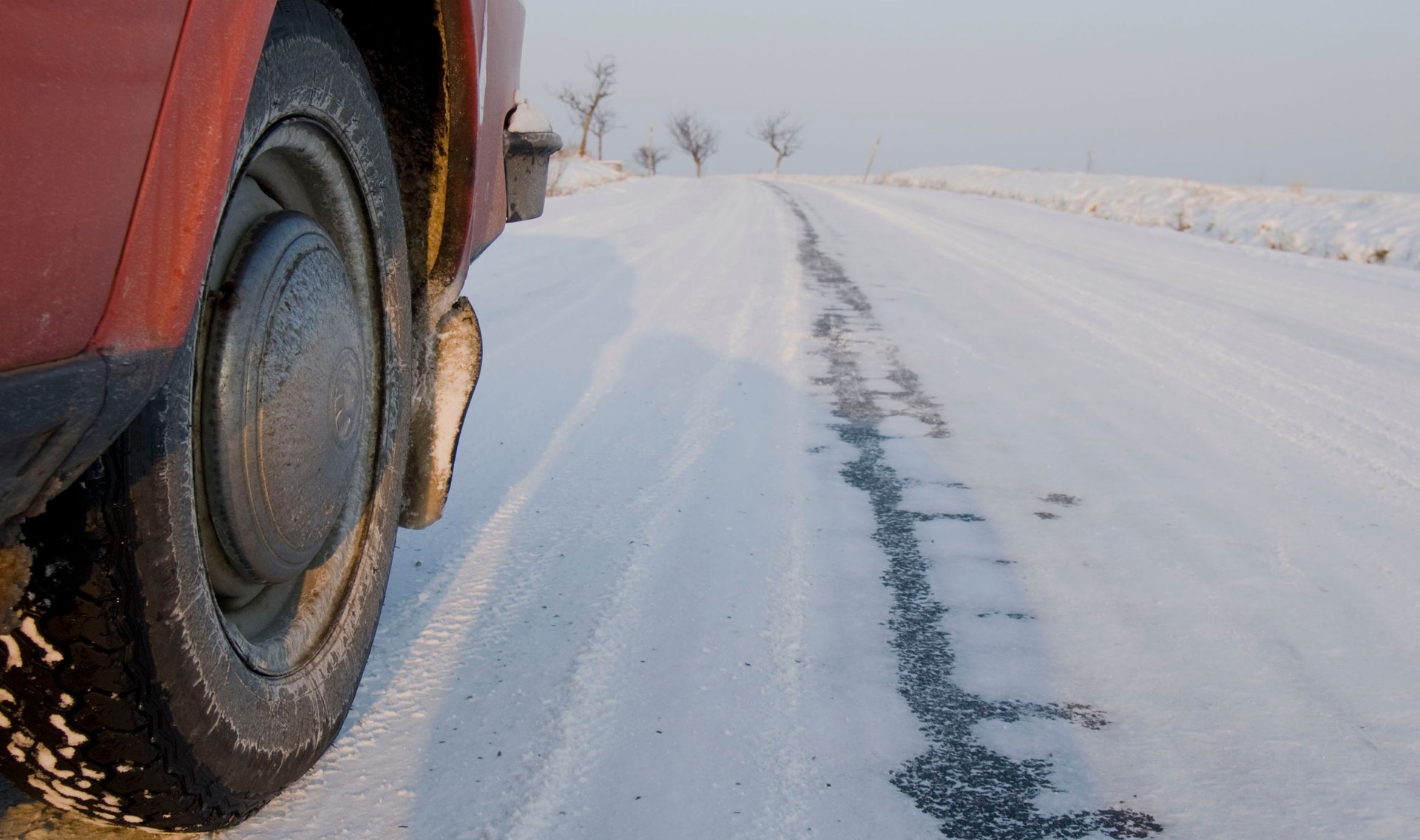
Rustproofing works best as part of a broader routine. Over the winter, washing away salt and grime reduces exposure to corrosive contaminants. Pay attention to the underside when it's practical and safe to do so. The CAA winter car care tips are a useful checklist for the season. Other good habits:
- Fix paint chips before corrosion spreads
- Keep drain openings clear, as the manufacturer recommends
- Check wheel arches and exposed seams
- Look at the underbody now and then
- Deal with damaged protective coatings
- Follow your car's maintenance schedule
You don't need to wash obsessively. The goal is to cut long-term salt and moisture exposure while keeping the existing protection in good shape. Regular preventative maintenance visits are a good chance to have the underside checked.
Can rustproofing affect a warranty?
It can, depending on the vehicle, the treatment and the warranty terms. Review the manufacturer's warranty documents and ask the provider whether the treatment could affect specific parts or inspection requirements. Be wary of claims that a treatment automatically preserves every warranty or guarantees a rust-free car.
Could your rustproofing provider answer every question on the list below?
Questions to ask before paying for rustproofing
- What product will be used?
- Which parts of the vehicle will be treated?
- How will existing rust be assessed?
- Does the car need cleaning or drying first?
- How often does the product need reapplying?
- Are there areas that must stay untreated?
- What does the warranty actually cover?
- Will the treatment make future inspections harder?
A reputable provider explains the process clearly instead of promising rust will never happen.
Rust Protection
1 service
- On the hoist: air-blow clean, prep, then a full protective spray underneath.
Prices are starting prices from our shop menu. Your exact price depends on the vehicle and parts, and we always confirm a firm quote before any chargeable work begins.
Protect sound metal, inspect regularly, and never confuse covering rust with repairing it. Our rustproofing service starts on the hoist with a cleaned, prepped underside and a full spray of Rust Stop Anticorrosion Treatment, a professional product made by Corolon-Rust Stop. Where wheel wells or floor pans need tougher chip protection, we can add Rust Stop Asphalt Undercoating on clean, sound metal. If we spot rust that needs a repair, we show you and quote it separately. Buying a used car? A pre-purchase inspection is the time to look underneath.
Get the underside ready for salt season
On the hoist: air-blow cleaned, prepped and fully sprayed underneath, and any rust that needs repair shown to you first. Rustproofing from $100 for a sedan.