
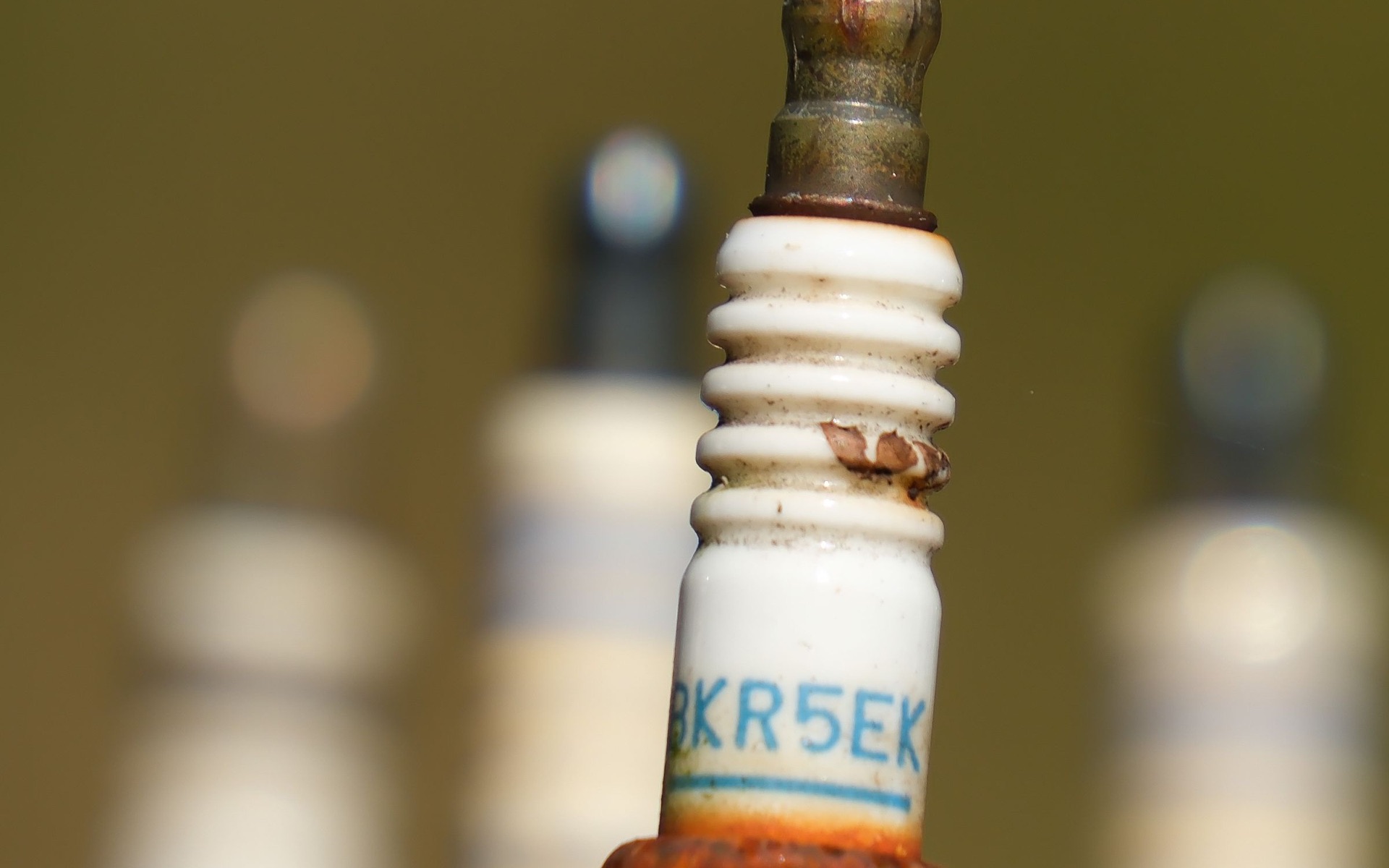
Spark plugs are small parts with a big role in how a gasoline engine runs. They create the spark that ignites the air-fuel mixture in each cylinder.
When plugs wear out, get contaminated or fail, the engine may run less smoothly, hesitate when you accelerate or become hard to start. But not every rough-running engine needs new spark plugs. Ignition coils, fuel delivery, air leaks, sensors and mechanical problems can cause the same symptoms.
This guide explains what spark plugs do, how to recognize a failing one, when replacement is needed and why the correct parts matter.
Has your engine been idling rougher or hesitating lately?
What do spark plugs do?
In a conventional gasoline engine, each plug fires at a precisely controlled moment in the combustion cycle. That spark ignites the compressed air-fuel mixture, creating the pressure that drives the piston. Many engines use one plug per cylinder, though designs vary.
Diesel engines generally use compression ignition instead of spark plugs. Some use glow plugs to help with cold starts, which is a different job.
Spark plugs work in tough conditions: heat, pressure, high voltage and countless combustion cycles.
Seven signs your spark plugs may need replacing
1. Rough idling
If the engine shakes, vibrates or runs unevenly at a stop, worn or fouled plugs may be one cause. So can ignition coil problems, vacuum leaks, fuel system faults or worn engine mounts.
2. Engine misfires
A misfire happens when combustion in a cylinder doesn't go as it should. You may notice hesitation, vibration, uneven running or less power, and diagnostic trouble codes may be stored. Worn plugs can cause misfires, but a technician should confirm whether the real cause is the plug, the coil, fuel delivery, wiring or a mechanical problem.
3. Hesitation when accelerating
If the engine stumbles when you press the gas, the ignition system deserves a look. A misfire under load often shows up more during acceleration, when the engine needs a strong, reliable spark. Hesitation has several possible causes, so diagnosis matters.
4. Hard starting
Badly worn or contaminated plugs can make starting harder. If the engine cranks normally but struggles to fire, ignition may be involved, but battery condition, fuel delivery and sensors should be considered too. A slow crank points elsewhere; see battery boost vs. replacement.
5. Reduced performance
Worn plugs can contribute to incomplete combustion and poor running. Don't assume new plugs will automatically restore lost power; a proper assessment should find the underlying issue.
6. Higher fuel use
An engine that misfires or runs inefficiently may burn more fuel than expected. Driving conditions, tire pressure, maintenance history and other faults affect fuel use as well.
7. A flashing check engine light
A flashing light can mean an active misfire serious enough to risk damaging the catalytic converter. Ease off, and stop driving as soon as it's safe. If the flashing continues or the engine runs badly, arrange professional help rather than finishing the trip. A steady light deserves attention too, but a flashing light with rough running should never be ignored. Here's what each check engine warning means.
Is your check engine light steady, or is it flashing?
How often should spark plugs be replaced?
Intervals vary a lot by engine and plug type. Some conventional plugs have shorter service lives, while many modern platinum or iridium plugs are designed to last much longer. The manufacturer's schedule for your exact engine is the best guide, not a single mileage figure.
Driving conditions, engine design, maintenance history and contamination all affect plug condition. A plug that fails early may also be a symptom of another engine problem.
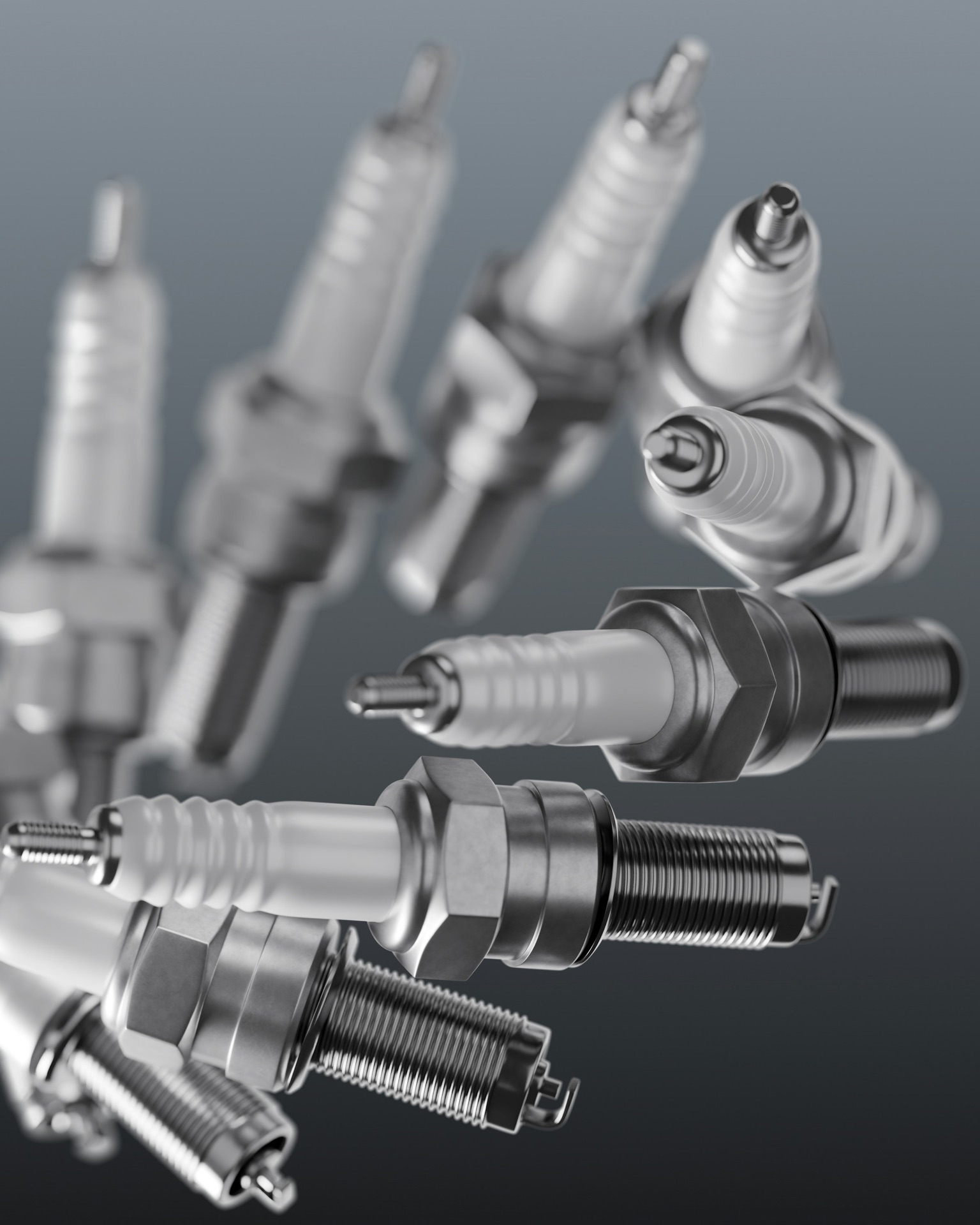
Copper, platinum and iridium spark plugs
| Type | General characteristics | Keep in mind |
|---|---|---|
| Copper-core designs | Often a nickel-alloy firing electrode, with different wear characteristics | May need more frequent replacement in engines designed for them |
| Platinum | Platinum at the key electrode surface | Often designed for longer service intervals than conventional plugs |
| Iridium | A fine-wire iridium electrode in many designs | Can offer durability and consistent ignition in compatible engines |
These are general differences, not a ranking. The right plug is the one your engine's manufacturer specifies. Fitting a plug just because it's sold as an upgrade can be a mistake if its dimensions, heat range or electrode design don't suit the engine.
Why the correct spark plug matters
A replacement must match the engine's requirements, which can include:
- Thread size and reach
- Heat range
- Electrode design
- Gap specification
- Seat type
- Required material and construction
The wrong plug can cause performance problems or, in some cases, engine damage. Many modern plugs come pre-gapped, but that doesn't mean every plug should be adjusted without checking the manufacturer's instructions. Fine-wire electrodes are easily damaged by rough handling.
What makes spark plugs fail early?
Plugs wear naturally, but early failure can point to another problem:
- The wrong plug type
- Oil getting into the combustion chamber
- Heavy carbon deposits
- Fuel mixture problems
- Coolant getting into a cylinder
- Ignition system faults
- Improper installation
- The engine running outside normal specifications
If a new plug fouls again quickly, find the cause instead of replacing plugs over and over. That's where engine diagnostics earn their keep.
Should you replace all the spark plugs at once?
When a scheduled replacement is due, replacing the full set is often appropriate, since the plugs have seen the same conditions. The exact procedure depends on the engine and the manufacturer. Some engines have plugs that are hard to reach, and labour varies a lot, so ask for an estimate for your specific vehicle.
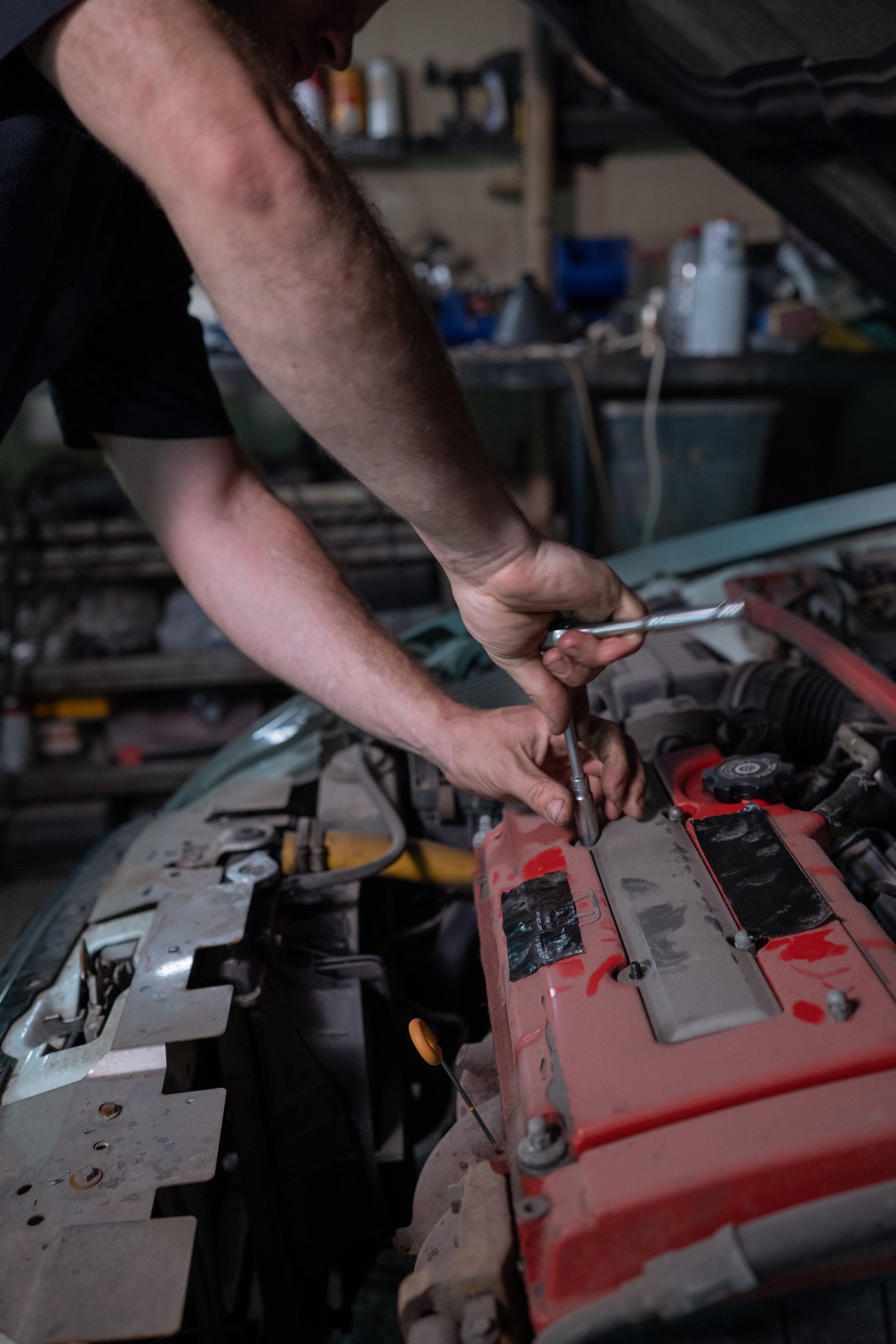
Can you replace spark plugs yourself?
Some engines give easy access; others need intake parts removed first. Getting it wrong can cause serious problems, including damaged cylinder-head threads, incorrect torque or ignition faults. If you do it yourself:
- Confirm the exact plug specification.
- Work on a cool engine, as the manufacturer directs.
- Keep dirt out of the plug openings.
- Use the right tools.
- Follow the specified installation procedure and torque.
- Avoid damaging delicate electrodes or ignition parts.
- Check for misfires afterwards.
If the plugs are hard to reach or you're unsure of the procedure, professional service is the safer choice.
Spark plugs vs. ignition coils
They work together but they're different parts. The ignition coil supplies the high voltage; the plug delivers the spark into the combustion chamber. If an engine misfires, either could be responsible, and other systems can cause similar symptoms. Replacing every coil whenever the plugs are due isn't automatically necessary. Let diagnosis and the manufacturer's schedule guide that decision.
Did the misfire start right after a recent repair or plug change?
Oil & Routine Maintenance
6 services
- Top-grade synthetic oil and a new oil filter. Best protection, longer between changes. Air filters checked free; replacement extra.
- Regular oil and a new oil filter. Good, low-cost care for most cars. Air filters checked free; replacement extra.
- New air filter so the engine breathes clean air and saves fuel.
- New filter for the air you breathe inside the car. Less dust and smell.
- New spark plugs for easy starts, smooth idle and better fuel use.
- New drive belt. Stops squealing and keeps the alternator and A/C running.
Prices are starting prices from our shop menu. Your exact price depends on the vehicle and parts, and we always confirm a firm quote before any chargeable work begins.
Spark plugs are essential to a gasoline engine, but replacing them on time is only part of the picture. Use the manufacturer's specification, pay attention to rough running or misfires, and investigate repeat problems. The goal isn't to replace parts unnecessarily; it's to keep the ignition system working and catch problems early. Book a tune-up with spark plug replacement when your schedule says it's due.
Misfire, rough idle or plugs due?
We confirm the cause before replacing anything, then fit the plugs your engine's maker specifies. Spark plug replacement and tune-ups from $250; check engine scans from $100.