When temperatures drop, many drivers notice their car takes longer to blow warm air. Some delay is completely normal, especially on a bitterly cold morning. But if your engine temperature behaves unusually, or the heater never seems to warm the cabin properly, there may be a problem worth looking into.
The key is knowing the difference between normal winter behaviour and a fault that's slowly developing. Your temperature gauge and your heater are two separate clues, and reading them together tells you a lot.
Does your car take longer to warm up than it did last winter, or does it just feel that way?
What is normal in cold weather?
Your heater uses heat from the engine's coolant, so the cabin can only get warm once the engine does. How long that takes depends on the vehicle, the outside temperature, the engine's design, how you drive and whether the car is a conventional gas vehicle, a hybrid or another type of powertrain.
- Idling warms an engine slowly. A car driven gently usually reaches operating temperature sooner than one left idling in the driveway, because the engine is working and producing more heat.
- Modern engines are efficient. Many produce less waste heat than older designs, so the cabin can take a little longer to feel warm.
- Hybrids behave differently. The gas engine may shut off often, and some hybrids start or run the engine specifically to provide cabin heat. Your owner's manual explains how your system works.
- A block heater helps. If your vehicle has one, plugging it in on cold nights can shorten warm-up noticeably.
Avoid revving a cold engine hard to make it warm faster. Follow the owner's manual and drive gently until the vehicle reaches normal operating temperature.
Could the thermostat be the problem?
The thermostat is a temperature-controlled valve between the engine and the radiator. While the engine is cold, it stays closed so coolant circulates through the engine and warms up quickly. Once the engine reaches operating temperature, it opens to let coolant flow to the radiator.
A thermostat stuck open sends coolant to the radiator too early. Typical signs:
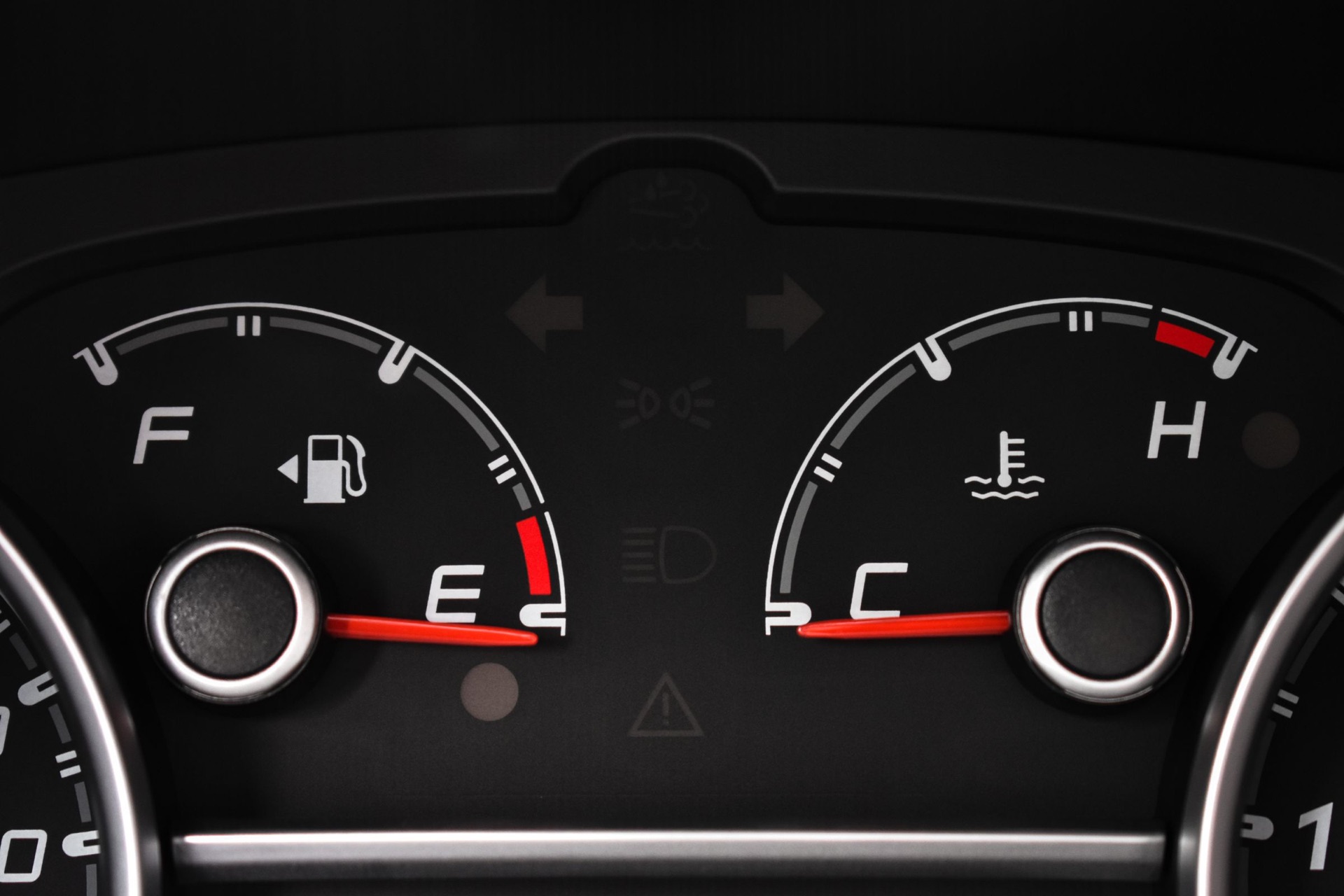
- The temperature gauge takes much longer than usual to rise, or stays below its normal position
- The gauge drops on the highway, when cold air rushes through the radiator
- Cabin heat is lukewarm, especially at speed
- On many vehicles, a check engine light, since the computer notices the engine isn't reaching temperature
An engine that runs too cool for long periods isn't just uncomfortable. It can use more fuel and doesn't run as efficiently as it was designed to.
A thermostat stuck closed is the opposite problem and more urgent: coolant can't reach the radiator, so the engine can overheat. If the temperature gauge climbs into the red or a temperature warning appears, stop safely and switch off the engine. Follow your owner's manual and arrange help rather than continuing to drive.
Where does your temperature needle usually sit once you are on the highway, and has that changed?
What if the engine warms up but the cabin stays cold?
If the gauge reaches its normal position but the air from the vents stays cool, the problem is usually between the engine and the cabin. Common causes include:
- Low coolant. If there isn't enough coolant, the heater core (the small radiator behind the dashboard) may not get enough hot coolant to heat the air.
- Air trapped in the cooling system. This can happen after a leak or a service that wasn't bled properly.
- A restricted heater core or hoses that limit how much hot coolant gets through.
- A blend door or actuator fault. The blend door mixes hot and cold air. If it sticks, you may get cold air no matter where you set the dial. A clicking noise behind the dash can be a clue.
- A problem with the heating controls themselves.
Low coolant deserves particular attention because coolant doesn't usually disappear on its own. It often means a leak somewhere. Never remove a radiator cap or pressurized reservoir cap while the system is hot. Wait until the engine has fully cooled.
If the heater suddenly stops producing warm air while the engine temperature rises, pull over safely and seek assistance. That combination can mean the engine has lost coolant.
Have you had to top up the coolant this year, or noticed a sweet smell after parking?
Does a weak heater always mean an expensive repair?
No. The cause might be a simple control issue, low coolant from a small leak, or a thermostat, which is a routine part on most vehicles. The symptoms alone don't tell you which repair is needed, so beware of anyone who quotes a big job without testing.
A proper diagnosis should include:
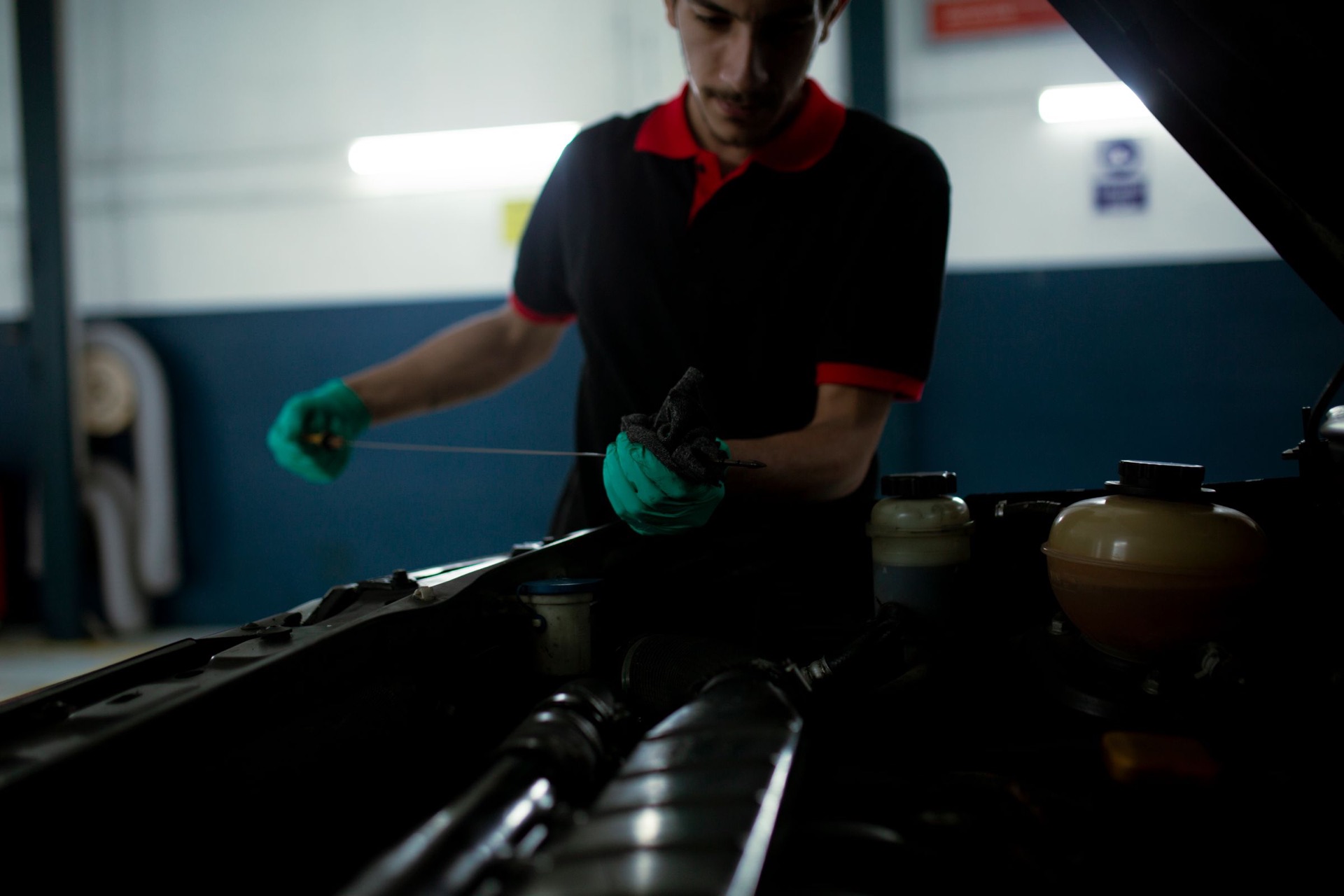
- Checking the coolant level and its condition
- Pressure-testing the system for leaks if the level has been dropping
- Watching how engine temperature rises during warm-up, often with a scan tool reading the actual coolant temperature
- Checking the temperature of the heater hoses and testing the blend door and controls
If your coolant is old or contaminated, our coolant flush guide explains when a flush makes sense. Antifreeze also protects your engine from freezing, so the right coolant mix matters more in winter, not less.
What should you do?
Before your appointment, make a few notes. They help a technician narrow down the cause faster:
- Roughly how long the vehicle takes to warm up, and the outside temperature at the time
- Where the temperature gauge sits once warm, and whether it moves at highway speed
- Whether the heat improves or fades with driving speed or engine speed
- Whether you've been topping up coolant, or noticed drips or a sweet smell
Don't ignore overheating, a temperature warning, coolant on the ground, or sudden changes in cabin heat alongside abnormal engine temperature. Those are signs to get the car checked promptly. While it's in, it's a good time to run through the rest of our November maintenance checklist too.
Cooling System
7 services
- Replace cracked hoses and loose clamps that leak coolant.
Prices are starting prices from our shop menu. Your exact price depends on the vehicle and parts, and we always confirm a firm quote before any chargeable work begins.
At Arman Fine Auto & Repair Centre, we test before we replace, so you only pay for the repair your car actually needs. Learn more about our cooling system and heater diagnostics, or book below.
Heater lukewarm or gauge stuck low?
We check coolant level, leaks, thermostat and heater operation before recommending anything. Cooling system inspections from $100, quoted upfront.