November is when Ontario's weather stops being predictable. A mild afternoon can turn into a freezing morning, rain can become sleet overnight, and the first real snowfall often arrives before drivers feel ready for it.
The good news: your vehicle doesn't need an expensive makeover to get ready for winter. It needs a sensible look at the systems that matter most once temperatures drop and roads get messy. A few checks in November can save you a much colder problem in January. Here's a practical checklist for drivers in North York, Toronto, Vaughan and across the GTA.
If the temperature dropped to minus 20 tomorrow morning, how confident are you that your car would start?
1. Check your battery before the first serious cold snap
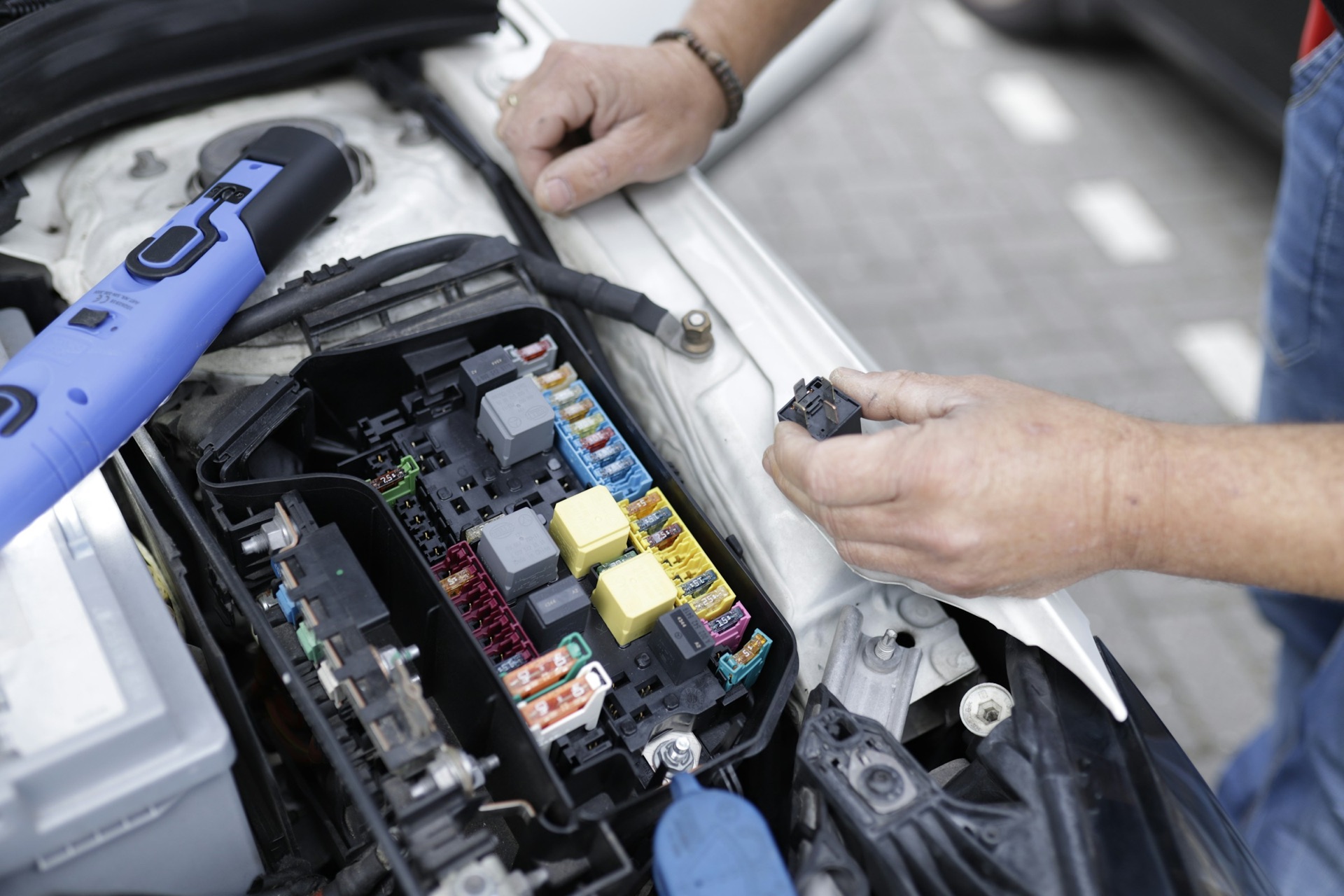
Cold weather makes an engine harder to crank at the same time it reduces how much power a battery can deliver. A battery that was getting by in September can be the one that leaves you stranded on the first frosty morning.
Watch for slow cranking, headlights or dash lights that dim noticeably while the engine turns over, or needing more than one try to start. These signs don't automatically mean the battery has to be replaced. Loose or corroded terminals, a weak alternator or a fault that drains the battery overnight can cause the same symptoms.
That's why a proper battery and charging-system test is worth more than a guess. It checks the battery's condition and whether the alternator is actually recharging it. If your battery is a few years old, our guide on how long a car battery lasts explains what to expect, and our battery service covers testing and replacement.
2. Inspect your tires and tire pressure
Tires are the only part of the car that touches the road, and winter asks a lot of them. Walk around the vehicle and look for:
- Tread that is getting shallow or wearing unevenly across the tire
- Cracks, cuts or bulges in the sidewalls
- Nails, screws or stones embedded in the tread
- One tire that always looks lower than the others
Tire pressure drops as the air gets colder, so check it more often through the fall, ideally when the tires are cold (before driving). Use the pressure on the vehicle's tire-information label, usually on the driver's door jamb, or in the owner's manual. The number moulded into the tire sidewall is a maximum, not a target.
If winter tires suit your driving, book the changeover before snow becomes routine rather than after the first storm, when everyone else calls at once. Make sure all four tires match and are suitable for your vehicle. Not sure whether you need them? Read all-season vs. winter tires for Canadian winters.
3. Test your windshield wipers and washer fluid
Worn wipers streak, chatter or skip across the glass. That's more than an annoyance when road spray, salt film and early darkness all cut your visibility at once.
Replace blades that are torn, hardened or leaving streaks, and fill the reservoir with a washer fluid rated for the cold temperatures you're likely to see. Summer fluid can freeze in the lines or on the glass. Test the front washers and the rear washer too, if your vehicle has one, and check that the spray actually reaches the windshield.
When you hit the washer switch on a salty highway, does the glass come clean, or just smear?
4. Check the heating and defrosting systems
Your heater keeps the cabin comfortable, but the defroster does a more important job: keeping the windshield clear. Turn the system on now, before you need it in a hurry.
If the cabin takes unusually long to warm up, the windshield won't clear, or the windows fog up again and again, have the system checked. Low coolant, a thermostat that isn't working properly, restricted airflow or a fault in the heating controls can all be responsible, and some of them are simple to fix. Our cooling system service covers the parts that make your heater work.
5. Inspect brakes, lights and fluids
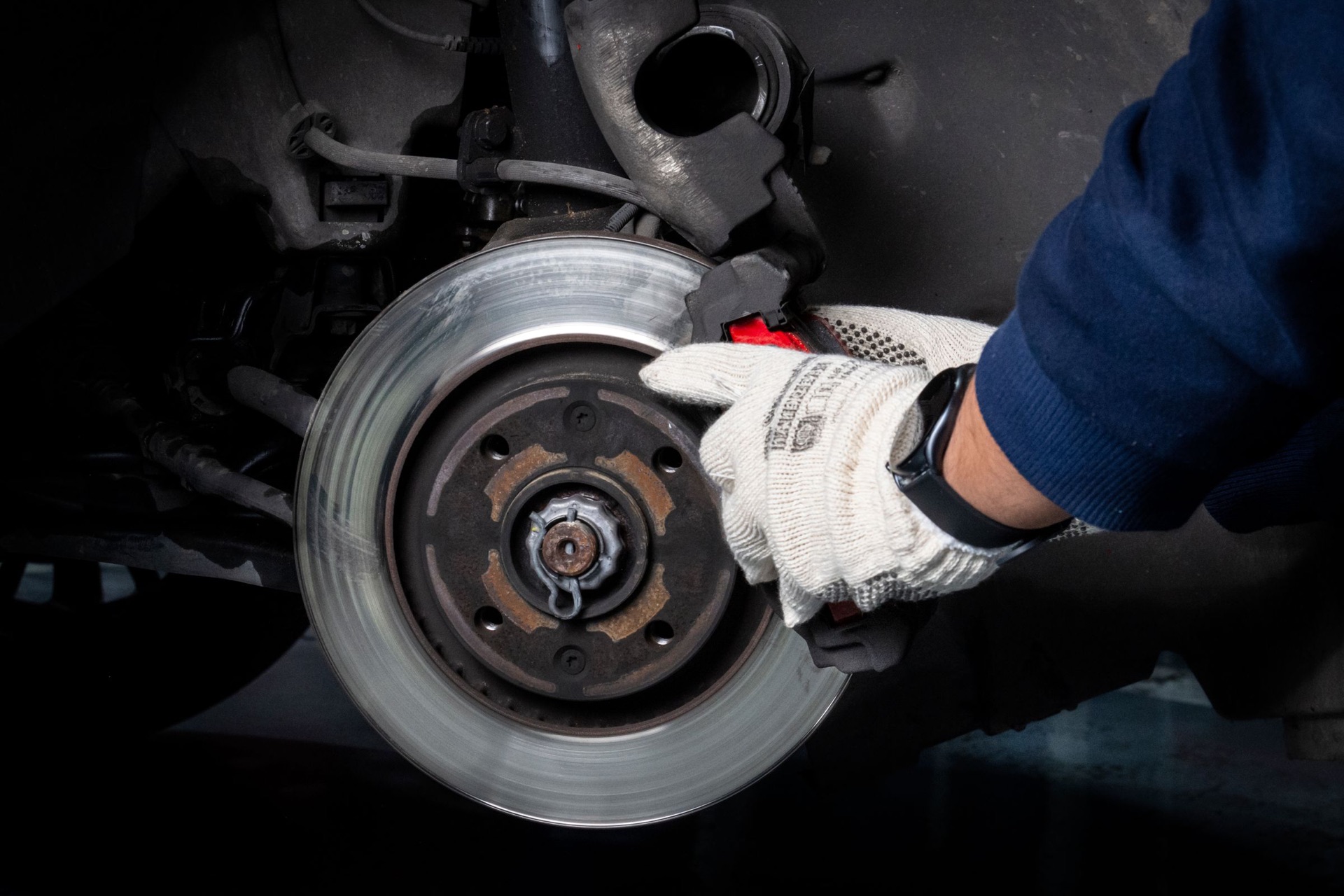
Pay attention to how the brakes feel and sound. Grinding, a pulsing or vibrating pedal during normal stops, a pedal that feels soft or sinks, or a vehicle that pulls to one side when you brake are all reasons to book an inspection. Our list of signs your brakes need replacing covers the details.
Then do a quick lights check with a helper: headlights (low and high beam), brake lights, turn signals, hazard lights and the licence plate light. Short days mean you'll be driving in the dark more often.
Finally, review the level and condition of the fluids your maintenance schedule lists, typically engine oil, coolant, brake fluid and washer fluid. Never open a hot cooling system: the coolant is under pressure and can cause serious burns. Check the coolant reservoir only when the engine is cold.
6. Prepare a winter emergency kit
Even a well-maintained car can get stuck in a snowbank or a long highway closure. A basic kit makes a long wait safer and more comfortable. Consider:
- A charged phone and a charging cable
- Warm clothing, gloves, a hat and a blanket
- A flashlight with spare batteries
- A small shovel and an ice scraper with a snow brush
- Booster cables or a portable booster you know how to use safely
- Sand, kitty litter or traction aids
- Water and some non-perishable snacks
Keep the kit where you can reach it, not buried under luggage in the trunk. The Ontario government's winter driving guide and CAA's winter car care tips both have fuller lists worth reading before your first long winter drive.
7. Don't overlook scheduled maintenance
November is a good time to catch up on anything that's overdue: an oil change, a filter, a fluid service or a repair you've been putting off. Small symptoms tend to get worse in the cold, and a breakdown is far less pleasant in January than it is in November.
It's also a sensible moment to check for open safety recalls on your vehicle using Transport Canada's motor vehicle safety recalls database. Recall repairs are handled through the manufacturer's dealer network, so it's worth knowing about them before winter.
The province's Driver's Handbook section on maintaining your vehicle is a useful plain-language overview of what to keep an eye on. A professional inspection then helps you put safety-related repairs first and separate urgent work from items that can safely wait until spring.
Is there a small noise or warning you have been meaning to get checked since summer?
Make winter preparation straightforward
A few checks now can make the coming months less stressful. Follow your owner's manual, deal with warning signs promptly, and don't assume a car is ready for winter just because it started this morning.
If you'd rather have it done in one visit, Arman Fine Auto & Repair Centre can test the battery, look over the tires and brakes, check the fluids and tell you plainly what needs attention now and what can wait. See all our services and starting prices, or book a pre-winter check below.
Get your car winter-ready in one visit
Battery and charging test, tires, brakes, lights and fluids checked, with a plain answer on what needs doing now and what can wait. Battery tests from $80, brake inspections from $75.