
A fogged windshield can appear in seconds on a cold morning, or keep creeping back throughout a drive. Either way, it happens for the same basic reason: moisture in the air condenses on glass that is colder than the air around it.
A little condensation in winter is normal. Persistent fogging that your defroster can't keep up with is a visibility problem, and visibility isn't optional. Here's why it happens, how to clear it quickly and what it means when it keeps coming back.
Do you find yourself wiping the inside of the windshield with your sleeve on winter mornings?
Why does the inside of the windshield fog?
Air can only hold so much water vapour, and colder air holds less. When warm, humid cabin air touches cold glass, it cools below its dew point and the moisture turns into tiny droplets on the glass. That's the fog.
In winter, a car cabin collects moisture from everywhere:
- Everyone inside breathes out moisture, so more passengers means more fog
- Snow on boots and floor mats melts once the heat comes on
- Wet coats, umbrellas and gym bags
- Hot coffee and takeout
- Water leaking in from a seal, drain or other source
If the ventilation system can't remove that moisture fast enough, the fog lingers or keeps coming back.
How to clear a fogged windshield
Your owner's manual has the exact steps for your vehicle, but these work for most cars:
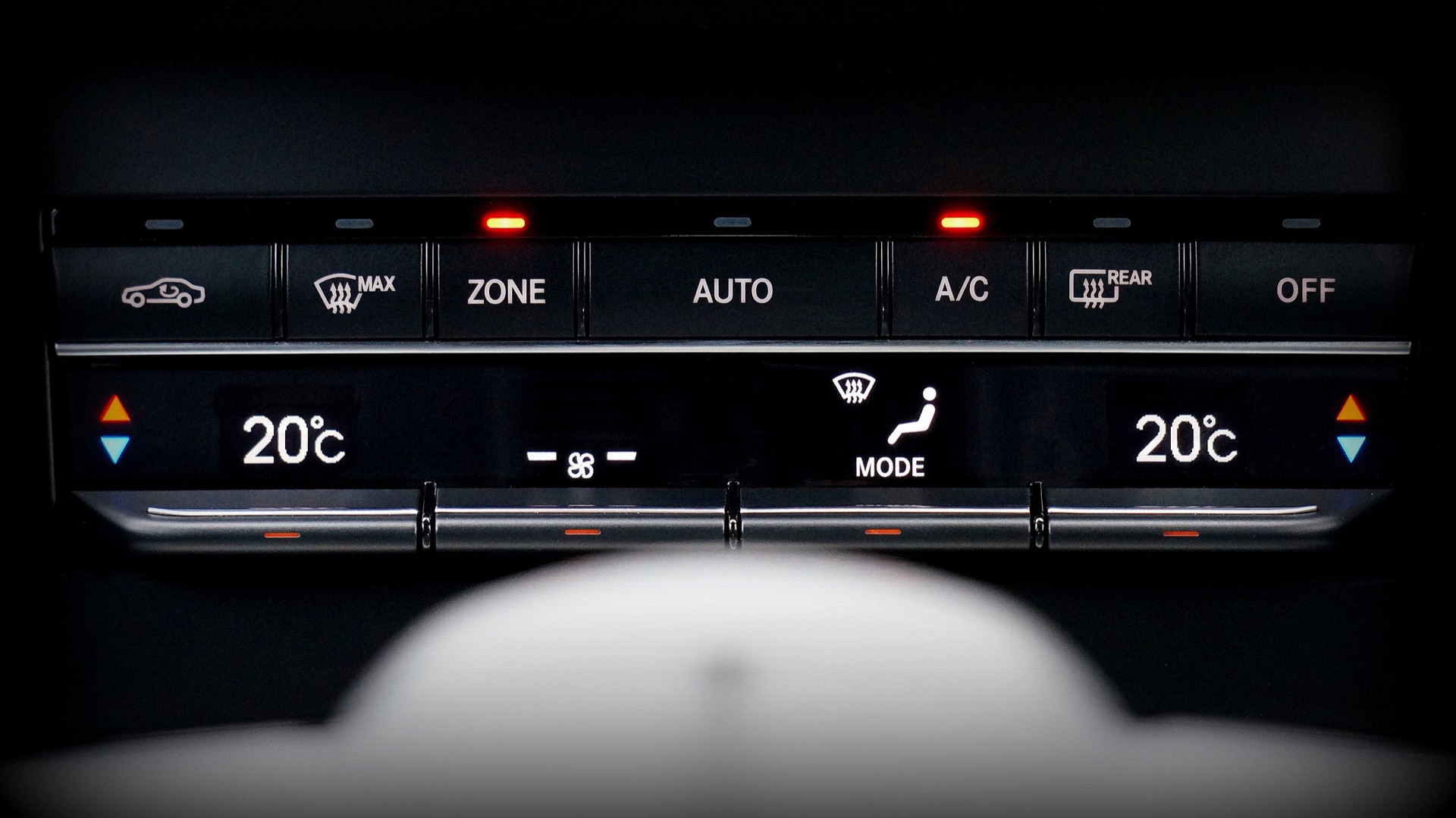
- Select front defrost. This directs air at the windshield and, on many vehicles, adjusts other settings automatically.
- Set the temperature and fan to suit the conditions. Warm air can hold more moisture, and a higher fan speed moves it off the glass faster.
- Use the air-conditioning function if your system allows it. The A/C dries the air as it passes through, even when the air is then heated, so it helps clear fog faster. Many vehicles turn it on automatically in defrost mode. In very cold weather, some systems limit the compressor, so don't worry if it doesn't seem to engage.
- Choose outside air rather than recirculation. Recirculating keeps the damp cabin air inside; fresh outside air in winter is usually drier.
- Turn on the rear window defroster and heated mirrors, if equipped.
- Never start driving until you can see properly through the windshield, side windows and mirrors.
Some vehicles automatically switch the A/C or recirculation settings in defrost mode, so follow the manufacturer's instructions for yours.
Is your climate control set to recirculate right now? Many people leave it there all winter without realizing.
Small habits that help
- Keep the glass clean inside. Dirt and film give moisture something to cling to, and clean glass clears faster. Use a glass cleaner and a clean microfibre cloth.
- Knock snow off boots before getting in, and use rubber or all-weather mats that hold meltwater instead of soaking it into the carpet. Empty them when they fill up.
- Don't leave wet items in the car overnight.
- Clear all snow from the car, including the area in front of the windshield where the ventilation system draws in air.
Why does it keep coming back?
If fogging returns again and again even when you use the defroster properly, something is usually adding moisture or restricting airflow. Common causes include:
- A clogged cabin air filter. A dirty filter reduces airflow to the windshield. Our cabin air filter guide explains how often it should be replaced.
- Wet carpets or a water leak. Damp floors keep releasing moisture into the cabin. Feel under the mats and in the footwells.
- A ventilation control fault. If a blend door or mode door sticks, air may not reach the windshield even when you select defrost.
- An A/C system that isn't working, which takes away the system's ability to dry the air.
- A coolant leak inside the cabin. If you notice a sweet smell, an oily film on the inside of the glass that's hard to wipe off, or unexplained coolant loss, a heater core leak may be involved. Read more in our post on strange smells from your car heater, and arrange an inspection.
Weak heat makes fogging harder to beat too. If your car is slow to blow warm air, see why a car takes too long to warm up.
Have you checked under the floor mats lately for dampness?
What about fog on the outside of the glass?
Exterior condensation forms when the outside of the glass is colder than the humid air around it, for example on a damp morning or when you drive from a cold area into humid air. Use the wipers when it's safe, and adjust the temperature so the glass isn't being chilled unnecessarily.
Don't assume every fogging problem has the same cause. Where the condensation forms, inside or out, and when it appears are the clues that matter. Frost, snow and ice on the outside are a separate job: clear all the windows, mirrors and lights completely before driving. The Ontario government's winter driving guide has more tips for driving in winter conditions.
Visibility is not optional
Never drive with a windshield too fogged to see through safely. If visibility gets worse while you're driving, pull over somewhere safe and let the defroster catch up. A peephole in the fog is not enough to spot a pedestrian stepping off a curb on a dark November evening.
Keeping the glass clean, removing wet items and maintaining the ventilation system goes a long way. For more winter-readiness basics, the CAA's winter car care advice is worth a read.
If your defroster struggles or the windows fog persistently, Arman Fine Auto & Repair Centre can check the cabin filter, airflow, A/C operation and the heater for leaks, then explain what we find. Learn more about our A/C and climate service, or book below.
Defroster can't keep up?
We check the cabin filter, airflow, A/C and heater for leaks, then explain what we find. Cabin air filters from $70, A/C diagnostics from $180.