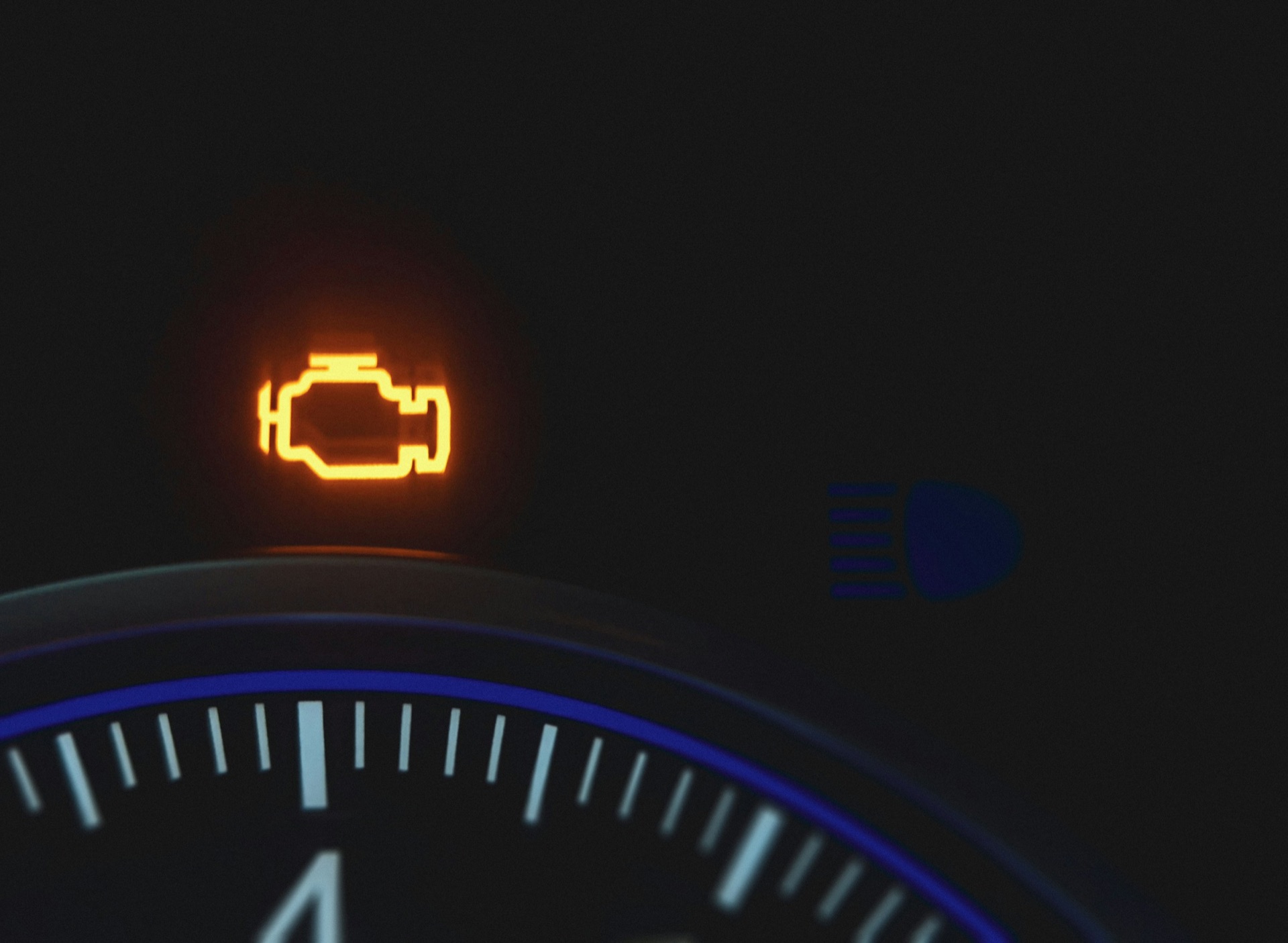
A check engine light appearing on a freezing morning can be worrying, especially when you have somewhere to be. It may be related to an emissions fault, a sensor reading, an engine misfire or something else entirely. The outside temperature alone doesn't tell you the cause.
The most important first step is to notice whether the light is steady or flashing, and whether the vehicle is showing any other symptoms. Those two observations decide whether you can carry on to a shop or should stop.
Is the light steady, or is it blinking at you?
What does a steady check engine light mean?
The check engine light is part of your car's on-board diagnostics. A steady light usually means the engine-management system has detected a fault and stored a code. It doesn't automatically mean the car must be towed, but it shouldn't be ignored either.
Check the owner's manual for your vehicle's specific instructions. If the car runs normally and there are no other warning lights or symptoms, arrange a diagnostic appointment promptly rather than waiting for spring. For a full explanation of the warning itself, see what your check engine light means.
What if the light is flashing?
A flashing check engine light often signals an active misfire, meaning one or more cylinders isn't firing properly. Unburned fuel can then reach the catalytic converter and overheat it, which can damage an expensive part.
Reduce speed and engine load, and stop driving as soon as it's safe. Arrange professional help rather than continuing your normal trip.
Treat the situation as urgent if any of these come with the light:
- Severe shaking or a rough, stumbling engine
- A noticeable loss of power
- A rising temperature gauge or a temperature warning
- An oil-pressure warning light
- A smell of fuel or smoke
Does the car feel normal, or is it shaking, hesitating or down on power?
Why might the light appear in winter?
Cold starts put extra demands on ignition, fuel, emissions, electrical and sensor systems. Temperature swings can also reveal problems that were already developing but hadn't crossed the line yet. Examples of things that can show up when it gets cold include:
- Weak ignition parts, such as worn spark plugs or a failing coil, which may struggle on a cold start and cause a misfire
- A weak battery or charging problem. Low voltage during cranking can upset electronics and sometimes set codes. If starts have been slow, read our guide on how long a car battery lasts.
- A thermostat that opens too early. On many vehicles, the computer notices when the engine takes too long to reach temperature and turns on the light. The heater is often lukewarm too; see why a car takes too long to warm up.
- Vacuum and intake leaks, since rubber hoses and seals harden and can crack in the cold
- Evaporative emissions faults, including a fuel cap that isn't sealing properly
- Sensors and wiring affected by moisture, salt or temperature changes
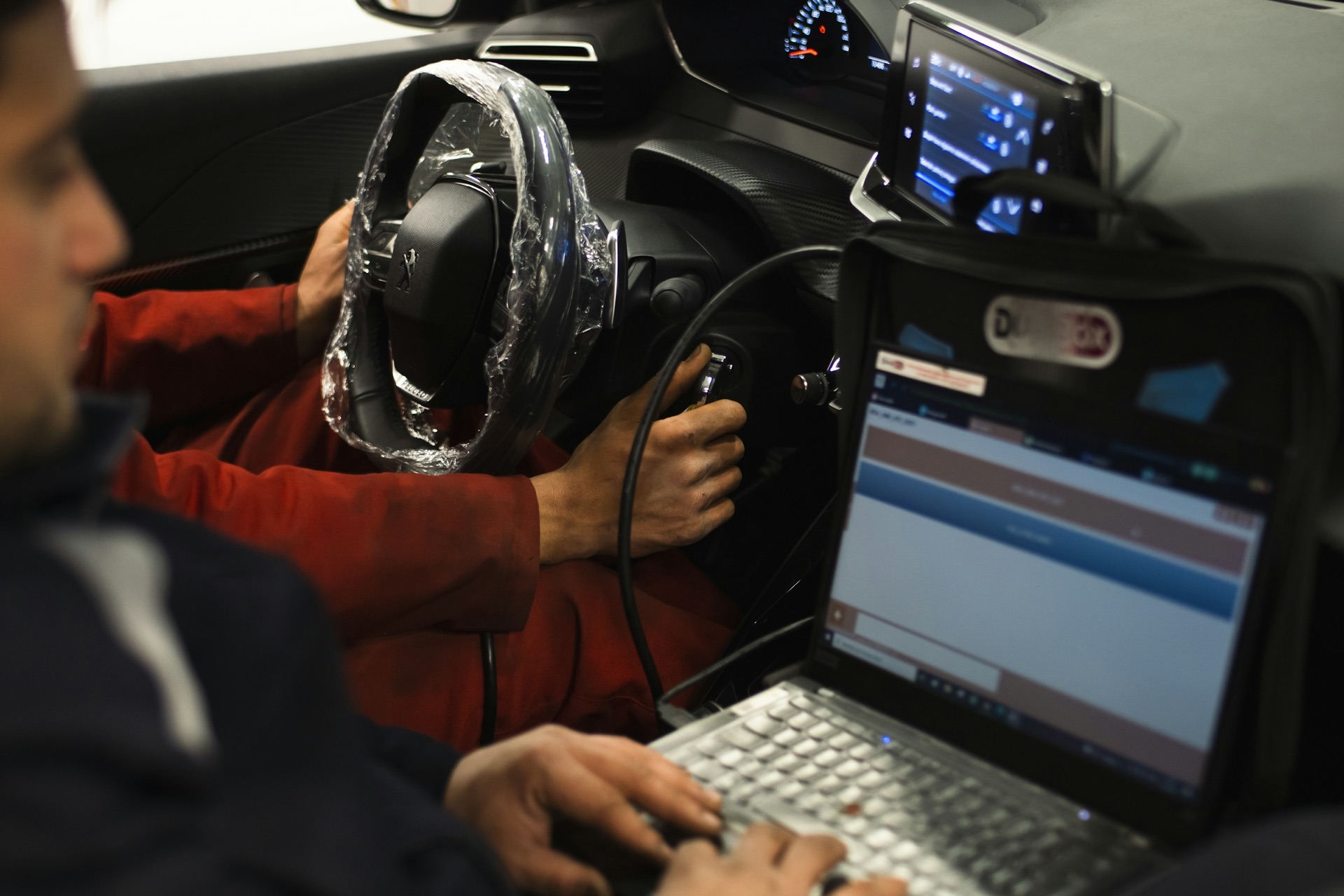
Possible causes vary a lot by vehicle. A diagnostic scan retrieves the stored fault codes, but a code is a starting point, not proof that a specific part has failed. A code involving a sensor, for example, might be caused by the sensor, its wiring, a connector, or a different problem the sensor is correctly reporting.
Did the light come on right after a fill-up, a boost or a very cold start?
Should you clear the warning yourself?
Inexpensive code readers make it tempting to clear the light and see if it comes back. That approach has downsides:
- Clearing a code erases useful information, including the conditions recorded when the fault happened.
- The light usually comes back if the fault is still there, sometimes after the problem has done more damage.
- Disconnecting the battery to reset the light can also clear radio presets and learned settings, and on some vehicles resets the readiness monitors the car uses to confirm its systems are working.
Write down when the light came on and anything that came with it. Leave the diagnostic information in place until a technician has had the chance to read it. It's often the quickest route to the actual cause. Quick tip: if you refuelled recently, check that the fuel cap is tightened properly. A loose cap is one of the common causes covered in why is my check engine light on?

What information helps diagnosis?
The more a technician knows, the faster they can narrow things down. Before your appointment, note:
- Whether the light is steady or flashing, and whether it stays on or comes and goes
- Whether the engine starts normally on cold mornings
- Whether it idles smoothly and accelerates properly
- Whether symptoms change, or disappear, once the engine has warmed up
- Any other warning lights on the dashboard
- Recent work, such as a fill-up, a battery boost or a repair
It's also worth checking Transport Canada's recalls database for your vehicle, since some recalls involve engine or emissions software.
Prices are starting prices from our shop menu. Your exact price depends on the vehicle and parts, and we always confirm a firm quote before any chargeable work begins.
Get the cause checked, not guessed
A warning light is a request for diagnosis, not a repair instruction. At Arman Fine Auto & Repair Centre, we read the codes, check live engine data and inspect the parts behind them before recommending any repair, then explain what we found in plain language. Learn more about our engine diagnostics service, or book below.
Check engine light on this winter?
We read the codes, check live data and inspect the parts behind them before recommending anything. Diagnostic and check engine scans from $100.