Cold mornings can bring new sounds from your brakes. A brief squeak or scrape after the car has sat outside overnight often disappears after a few stops. But a persistent or severe brake noise should never be dismissed just because it's winter.
Brakes are a safety-critical system, so it's worth knowing which sounds are usually temporary and which ones mean it's time for an inspection.
Does the noise go away after the first few stops, or is it still there when you get to work?
Why can cold weather change brake sounds?
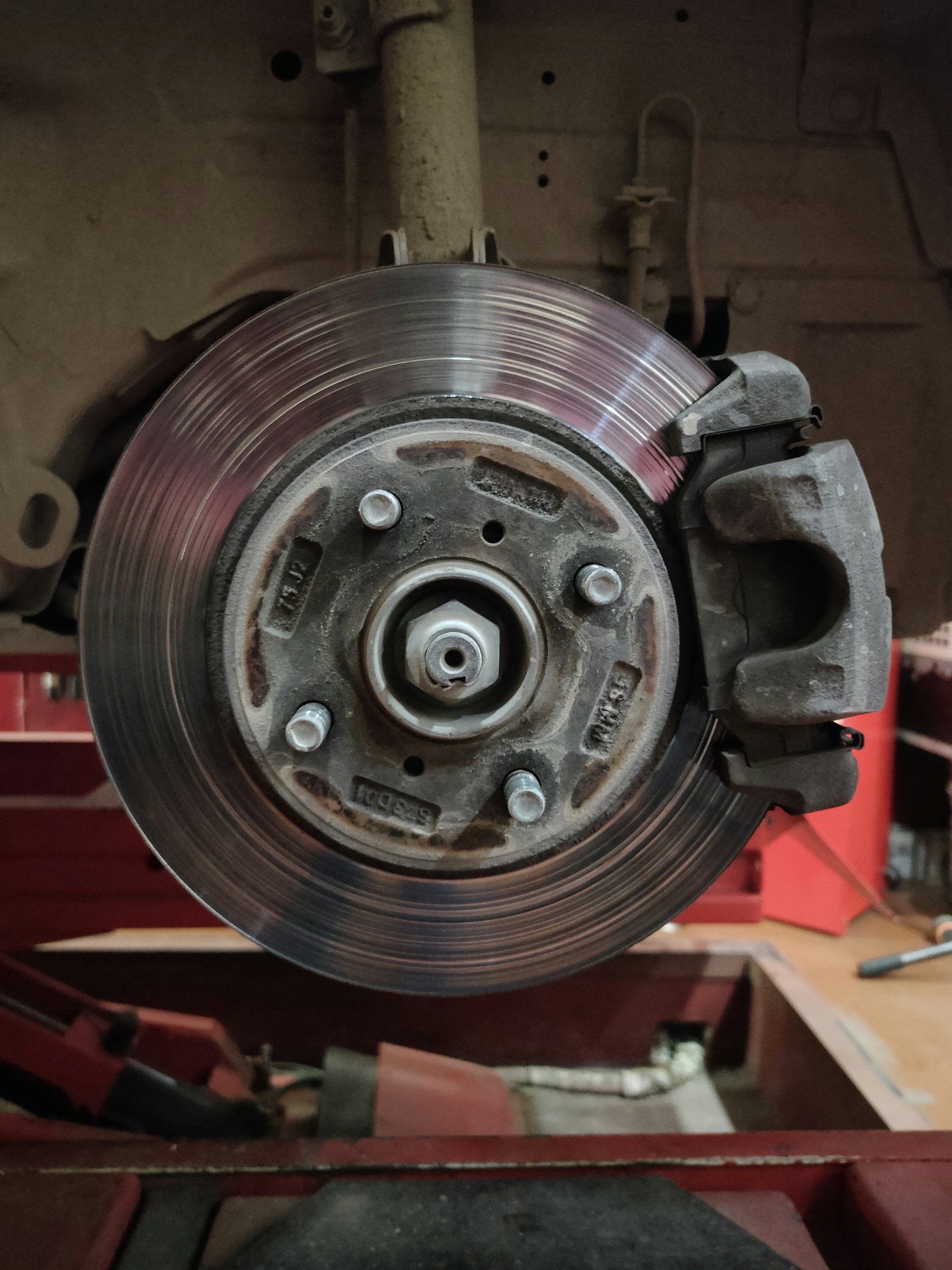
Most cars use disc brakes, at least on the front wheels: pads squeeze a metal rotor to slow the wheel. The rotor's braking surface is bare iron, and bare iron reacts quickly with moisture.
- Surface rust: after a damp night, a wash or a few days parked, a thin film of rust can form on the rotors. The first few stops scrape it off, sometimes with a grinding or scraping sound that fades quickly.
- Moisture and frost on the pads and rotors can change how they grip and sound for the first few applications.
- Snow, slush, sand and road salt can get packed around brake parts and make noise of their own.
- Cold materials can behave a little differently until the brakes warm up with use.
However, the same noises can come from worn pads or other parts that need attention. Sound alone can't confirm your brakes are safe. The pattern is what matters: when it happens, how long it lasts and whether it's getting worse.
What does a squeal mean?
A squeal can come from several sources:
- Wear indicators. Many brake pads have a small metal tab designed to squeal against the rotor when the pad is getting thin. It's a built-in warning to book a brake service.
- Vibration between the pad, caliper and rotor, often related to worn or missing hardware such as shims and clips.
- Glazed or contaminated pads or rotors.
- Surface conditions like moisture, which usually clear up quickly.
If the squeal is new, happens during most stops, gets louder over time or is still there once the brakes are warm, arrange an inspection. A squeal that only appears on the first stop of a frosty morning and then disappears is less concerning, but still worth mentioning at your next service.
What about grinding?
Grinding deserves more urgency. It can mean the friction material on a pad is worn away and metal is contacting the rotor, or that something else, such as a seized part or debris, is wrong.
If braking performance changes, the pedal feels unusual, the vehicle pulls to one side, or you hear severe grinding, avoid driving any further than you need to get out of immediate danger, and arrange professional help. Driving on metal-to-metal contact can quickly damage the rotors and reduce stopping power. Our guide to signs your brakes need replacing walks through other warning signs, and brake pad vs. rotor replacement explains which parts usually need replacing together.
Has the brake pedal started to feel different lately: softer, lower, or pulsing?
Should you worry about vibration?
A pulsing brake pedal during a hard stop on ice or snow is usually the anti-lock braking system (ABS) at work. ABS rapidly applies and releases the brakes to keep the wheels from locking so you can still steer. You may feel rapid pulsing and hear a buzzing or grinding sound. That can be completely normal during a slippery stop. Keep firm, steady pressure on the pedal and steer where you want to go.
Vibration during ordinary braking on dry pavement is different. A steering wheel that shakes when you brake, or a pedal that pulses on every stop, may point to rotor problems or other issues that need diagnosis.
Don't confuse normal ABS feedback during a slippery stop with persistent vibration during routine braking.
Winter is hard on brake hardware
Road salt and moisture don't just affect what you hear. Over a winter, they can cause corrosion on brake parts that leads to real problems:
- Sticking caliper slide pins or pad hardware, which can make pads wear unevenly or drag
- Rust build-up on rotors and the edges of pads
- Corroded brake lines on older vehicles, which only a proper inspection on a lift will reveal
That's one reason a brake inspection before or during winter is worthwhile even when the brakes feel fine. For a plain-language overview of routine checks, the Ontario Driver's Handbook section on maintaining your vehicle is a good reference.
When were your brakes last inspected: this year, or at the last tire change you can remember?
How can you reduce winter brake problems?
- Keep up with the brake inspections in your maintenance schedule.
- Have unusual noises checked rather than waiting for them to go away.
- Avoid driving through deep water or slush when you can do so safely.
- Have built-up debris or suspected damage inspected.
- Follow the vehicle manufacturer's maintenance schedule, including brake fluid replacement where it's specified.
Do not spray lubricants or household products onto brake pads or rotors. Oil or grease on friction surfaces can seriously reduce braking. Brake parts need the correct products, applied only where they belong, by someone who knows the procedure.
Prices are starting prices from our shop menu. Your exact price depends on the vehicle and parts, and we always confirm a firm quote before any chargeable work begins.
When in doubt, get the brakes checked
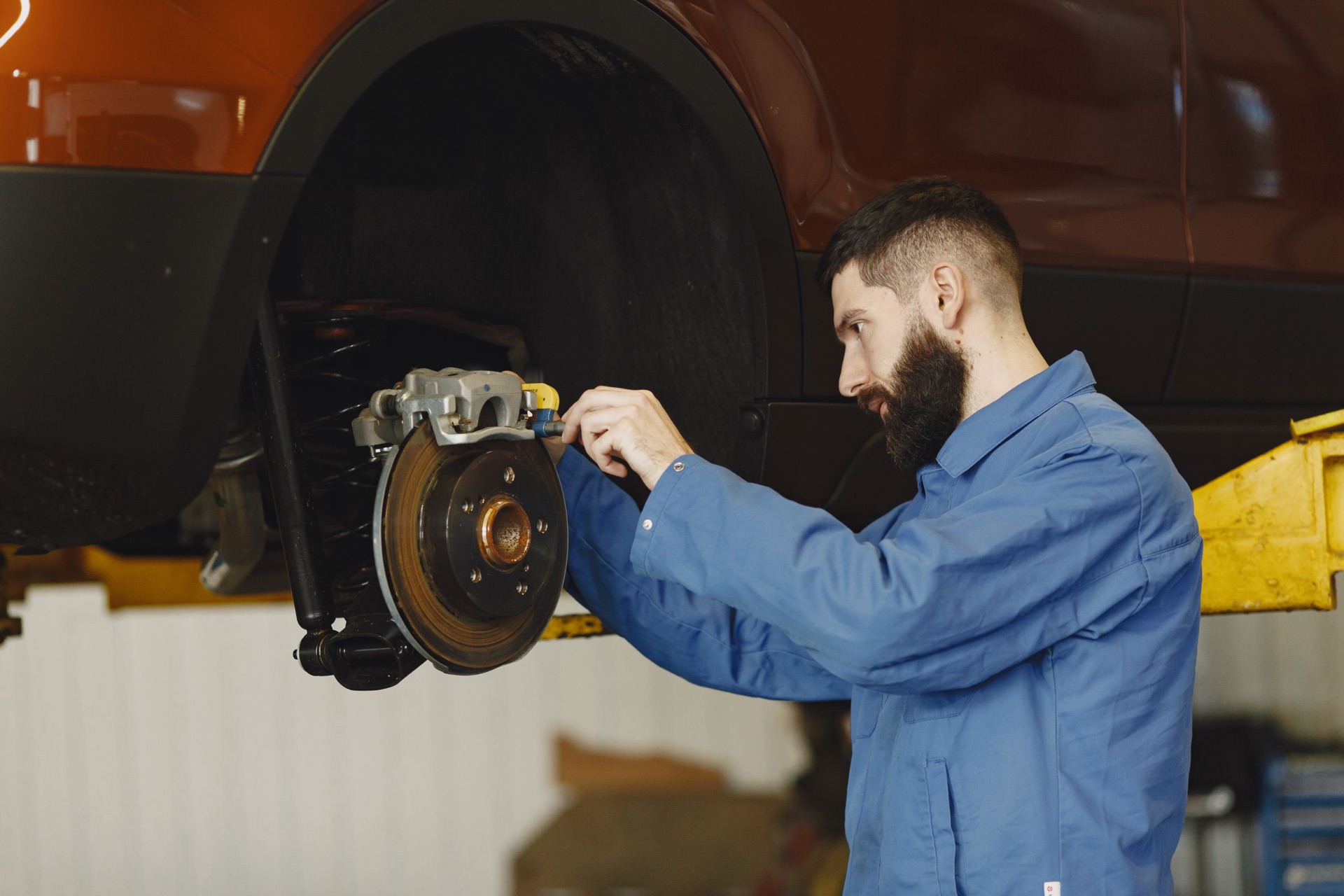
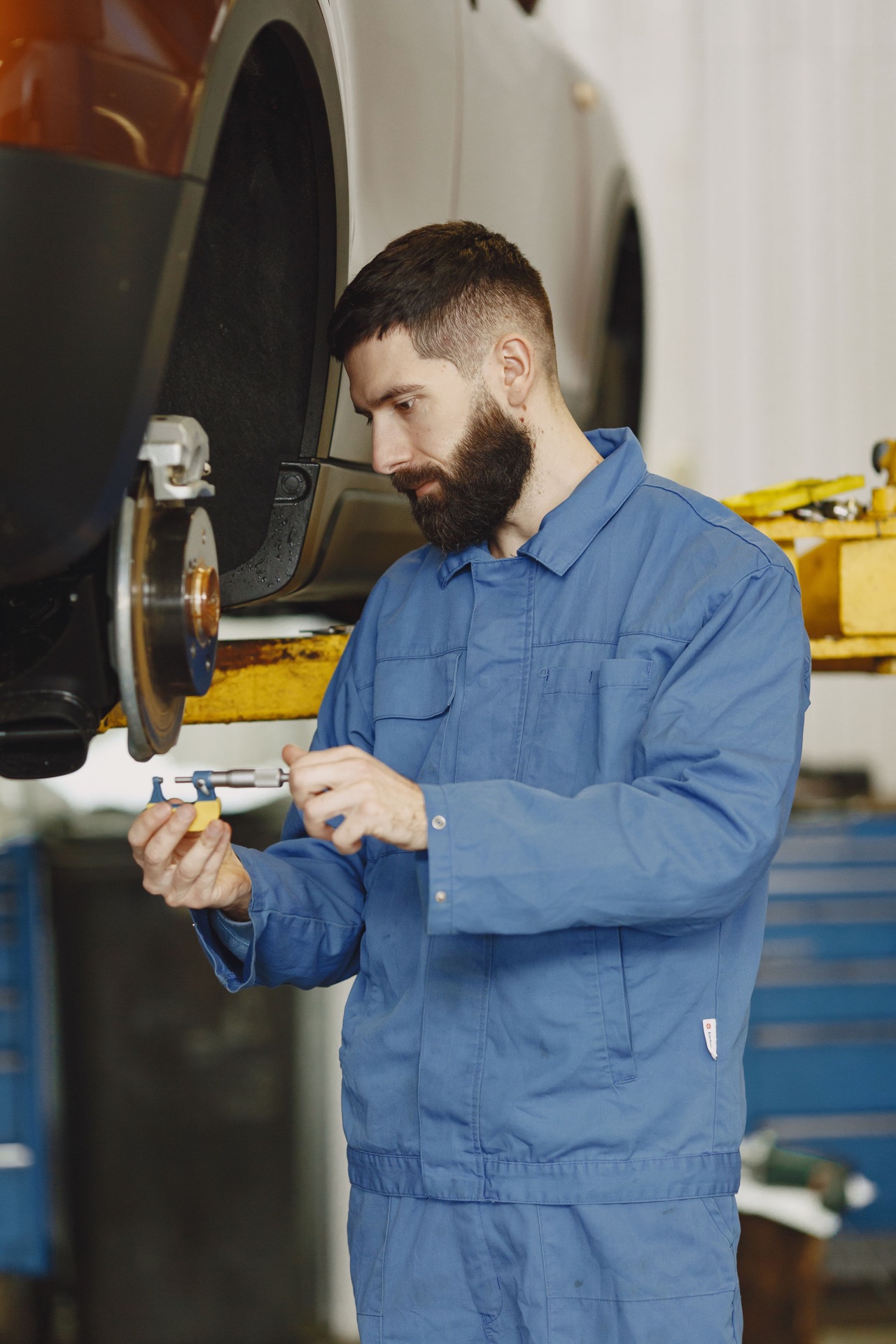
The right response to a brake noise depends on its severity, how long it lasts and what comes with it. A quick check gives you a clear answer instead of a winter of wondering. At Arman Fine Auto & Repair Centre we measure the pads and rotors, look at the hardware and fluid, and show you what we see before recommending anything. Learn more about our brake repair service, or book below.
New brake noise this winter?
We measure your pads and rotors, check the hardware and fluid, and show you what we find before quoting. Brake inspections from $75.