Engine oil gets plenty of attention, but there's another important lubricant most drivers rarely think about: differential fluid.
The differential delivers power to the driven wheels while letting them turn at different speeds through a corner. Inside, gears and bearings work under heavy loads, and the fluid protects them from wear. When that fluid breaks down, gets contaminated or runs low, the differential loses the protection it needs.
How often should it be changed? Does every vehicle have one? What noises point to a problem? This guide covers the basics, the different drivetrain layouts, common warning signs and how to tell whether your vehicle needs service.
Have you ever had your differential fluid changed, or checked?
What is a differential?
A differential is a gear assembly that lets the driven wheels turn at different speeds while still sending them power. That matters in a turn: the outside wheel travels farther than the inside one, so it needs to spin faster.
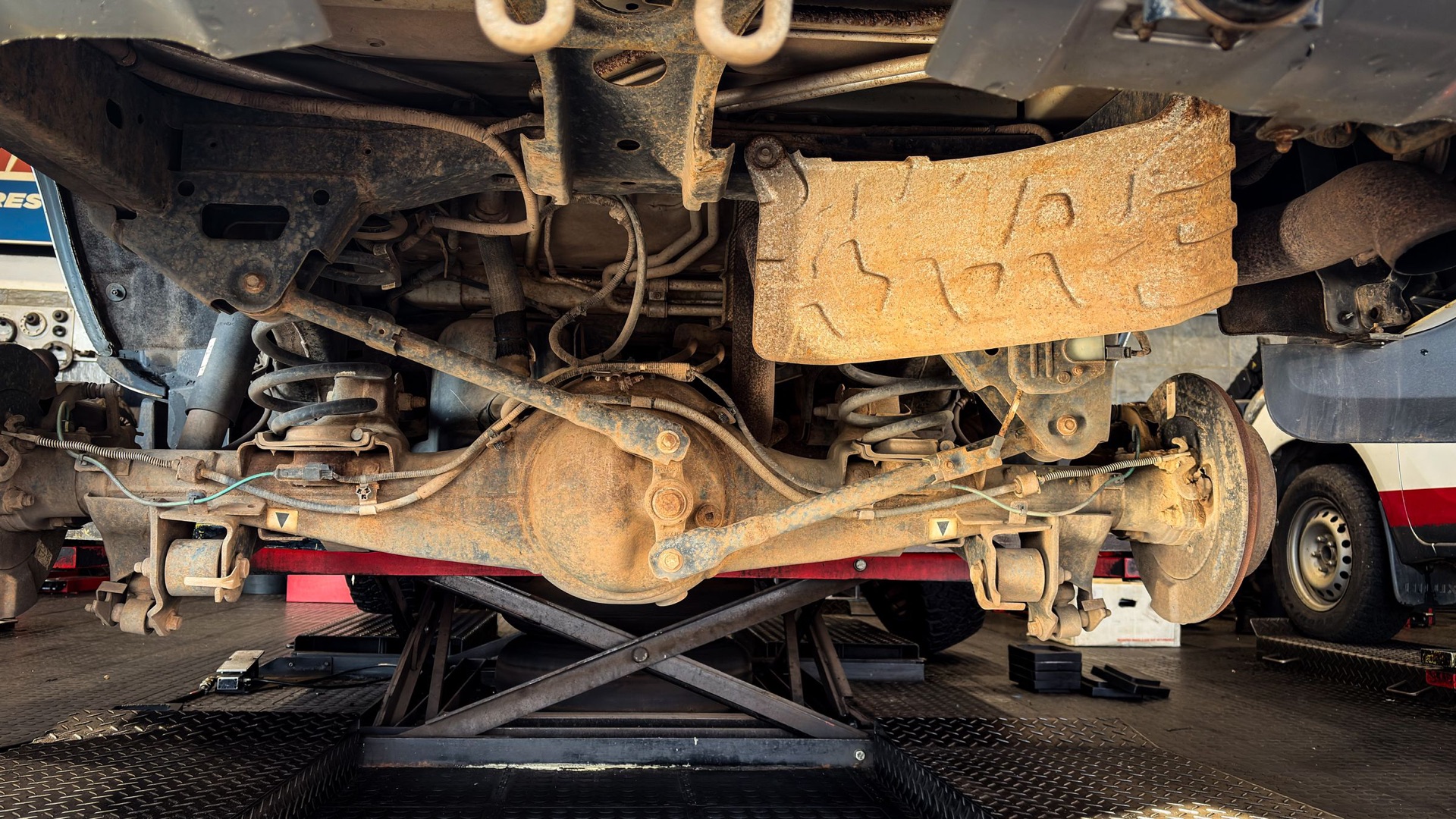
Depending on the vehicle, the differential sits in the rear axle, the front axle or inside a transaxle. All-wheel-drive and four-wheel-drive vehicles may have extra drivetrain parts on top of that.
What does differential fluid do?
It lubricates the gears and bearings inside the differential. Its jobs can include:
- Reducing friction between moving parts
- Protecting gear surfaces from wear
- Helping manage heat
- Supporting proper operation under load
- Protecting against corrosion
- Providing the friction characteristics some differential designs need
The fluid must match the manufacturer's specification. The wrong lubricant can affect protection and operation, especially in differentials that need specific friction characteristics.
Does every vehicle have differential fluid?
Not every vehicle has a separate differential service point. Many rear-wheel-drive vehicles have a separate rear differential. Many front-wheel-drive cars build the differential into the transaxle, where lubrication may be shared with or separate from other drivetrain parts. AWD and 4WD vehicles may have front and rear differentials, a transfer case and other assemblies, each with its own specified fluid.
Never assume every drivetrain part uses the same lubricant. Check the owner's manual or service information for your exact vehicle.
How often should differential fluid be changed?
There's no universal interval. The schedule depends on the design, the manufacturer's recommendations, driving conditions and whether the vehicle has seen severe service. Some vehicles specify a change at set mileage or time intervals; others have different requirements. Conditions that can change your service needs include:
- Towing heavy loads
- Frequent hauling
- Off-road driving
- Repeated operation under high loads
- Water exposure
- Severe temperatures
- Leaks or contamination
Start with the manufacturer's maintenance schedule rather than a single mileage figure found online. Planning a long haul or a tow this season? Our guide to preparing your vehicle for a road trip is a good companion read.
Do you tow a trailer or carry heavy loads regularly?
Signs your differential may need attention
1. Whining or howling from the drivetrain
A differential can whine or howl when gears, bearings, lubrication or setup are off. The sound may change with speed, acceleration or deceleration. Wheel bearings, tires, transmission parts and other drivetrain components can make similar noises, so get a proper diagnosis before replacing fluid or parts.
2. Clunking or unusual vibration
Clunks can come from excess play or wear in drivetrain parts, worn mounts, damaged joints or other mechanical problems. Vibration may also come from tires, wheels, driveshafts or other rotating parts. A fluid change won't fix mechanical wear.
3. Fluid leaks
Differential fluid can leak from seals, covers, gaskets or other connections. Its look and smell vary by formula and condition, so don't identify it by appearance alone. A leak deserves attention, because low lubricant can leave parts unprotected.
4. Metal debris or contamination
During an inspection or service, a technician may find unusual debris or contamination. Some residue can come from normal wear, but significant metal fragments or other abnormal findings can point to internal damage. The findings should be judged in context, not taken as proof of failure on their own.
5. Service is overdue
A differential can run quietly even when its fluid is due. No symptoms doesn't mean no maintenance, which is why it's worth keeping records of drivetrain fluid services.
What types of differential fluid are there?
| Fluid type | General use | Keep in mind |
|---|---|---|
| Gear oil | Common in many separate differentials | Viscosity and specification must match the manufacturer's requirements |
| Synthetic gear oil | Used where specified or approved | Synthetic does not mean compatible with every differential |
| Limited-slip-compatible lubricant | Designed or approved for certain limited-slip designs | Friction requirements must match the specific differential |
| Other manufacturer-specified lubricants | Certain specialized designs | Follow the exact service specification |
Some differentials need a particular gear oil viscosity, performance classification or approved additive. Don't pick a fluid just because the bottle says "gear oil" or the viscosity looks familiar.
What is a limited-slip differential?
A limited-slip differential manages the difference in wheel speeds while helping limit excessive wheelspin at one wheel in certain conditions. Designs use different internal mechanisms and may have specific lubricant or friction-modifier requirements. Some need a particular fluid or an approved additive; others use different technology. The right procedure depends on the design and the manufacturer's instructions.
What happens if differential fluid is low?
Low fluid reduces lubrication and can lead to overheating, faster wear and internal damage. If it's low because of a leak, topping up doesn't fix the cause. A technician should find the source, inspect the assembly as needed and confirm the correct level and specification. Don't keep driving if the vehicle develops severe drivetrain noises, a significant leak or other signs of a serious mechanical problem.
Differential vs. transmission vs. transfer case fluid
| Fluid | Main purpose |
|---|---|
| Differential fluid | Lubricates the gears and bearings in the differential, where specified |
| Transmission fluid | Meets the transmission's own lubrication, hydraulic, cooling and operating needs |
| Transfer case fluid | Lubricates and protects the transfer case in applicable 4WD or AWD systems |
Some designs combine functions or share a fluid, but never assume it. Identify the component and follow the manufacturer's service information. For the transmission side, see our transmission fluid change guide.
Can you change differential fluid yourself?
Some differentials are fairly easy to reach; others need specialized procedures, equipment or diagnostic steps. Before you start, confirm:
- The exact fluid specification and quantity.
- The manufacturer's drain and fill procedure.
- Whether the vehicle must be level while filling.
- The specified torque for the drain and fill plugs.
- Whether seals, gaskets or other parts need replacing.
- Any special requirements for limited-slip or electronically controlled systems.
- How to dispose of the used lubricant properly.
Never work under a vehicle that isn't properly supported. If the fill plug is seized, the assembly is leaking or you're unsure of the procedure, professional service can prevent avoidable problems.
Does fresh differential fluid fix whining noises?
Not necessarily. If the noise comes partly from wrong or worn-out lubricant, a service may help. But whining can also come from worn gears, damaged bearings, incorrect gear setup or other drivetrain faults, and new fluid won't repair damaged gear teeth or bearings. If the vehicle is already noisy, diagnose the cause first.
Does the whine change when you speed up, coast or slow down?
Why differential care matters for AWD and 4WD vehicles
AWD and 4WD vehicles may have more drivetrain parts than a two-wheel-drive car: front and rear differentials, a transfer case or other assemblies, each with its own intervals and fluid requirements. Review the maintenance schedule for the whole drivetrain, not just the engine oil and transmission fluid.
Fluids & Drivetrain
4 services
Prices are starting prices from our shop menu. Your exact price depends on the vehicle and parts, and we always confirm a firm quote before any chargeable work begins.
Differential fluid is easy to overlook because the differential works quietly and doesn't need frequent service, yet it protects parts that are expensive to repair or replace. Know which components your vehicle has, use the exact specified fluids and look into leaks or noises promptly. Our transmission and drivetrain fluid service covers differentials and transfer cases, and it's an easy addition to your preventative maintenance routine.
Differential or transfer case due?
We check what your drivetrain has, look for leaks and use the exact fluid your manufacturer specifies. Differential fluid service from $150; transfer case from $150.