Road salt helps make Ontario's winter roads safer, but it's hard on vehicles. Salt and moisture speed up corrosion, especially in the places where dirt and wet slush collect and sit.
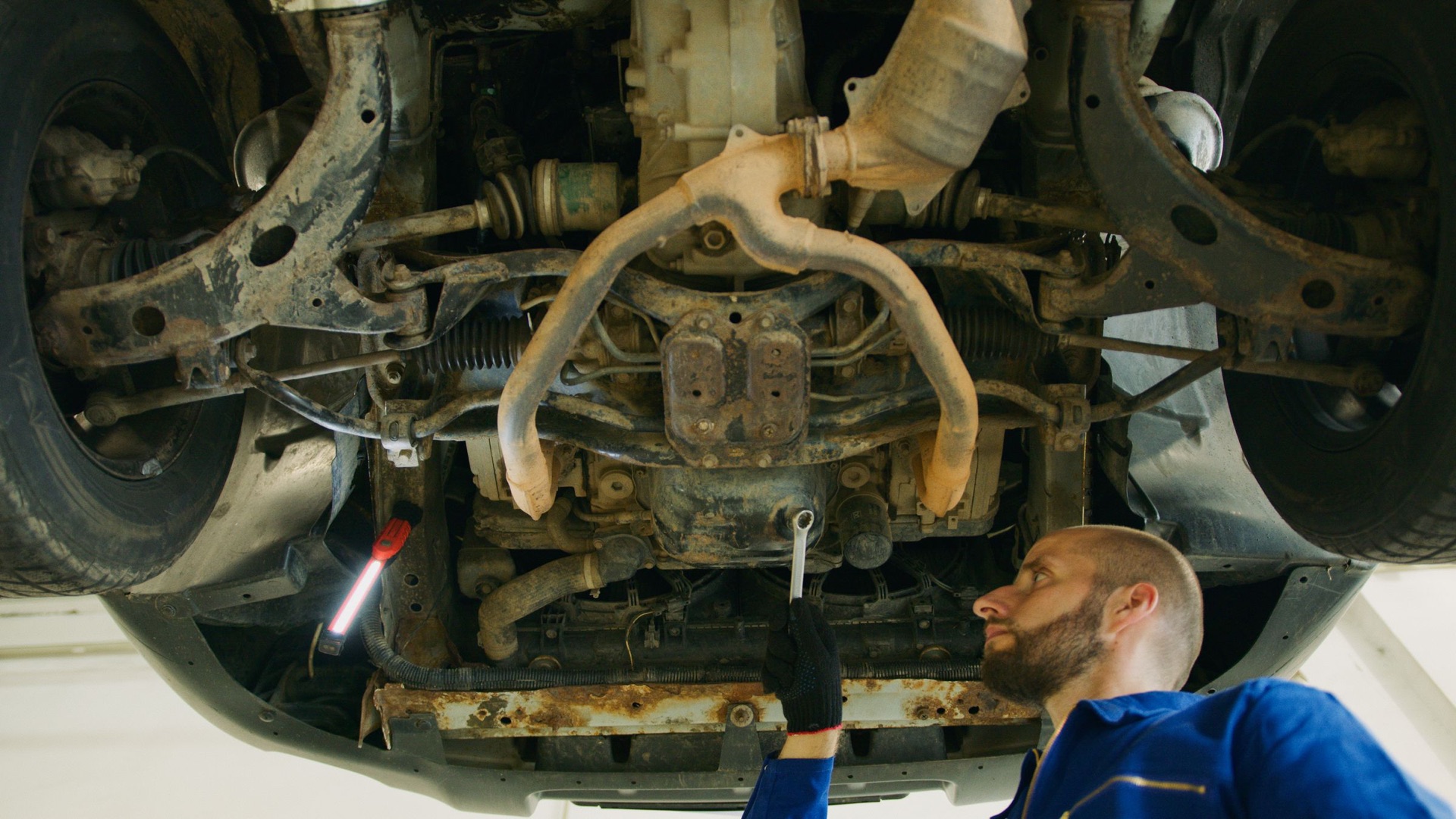
Rust isn't always obvious from the driver's seat. Some of the most important areas to watch are underneath the vehicle and around seams, fasteners and the lower edges of body panels. The rust you can see on a door edge is often the smaller part of the story.
When did you last look underneath your car, or at the inside edges of your wheel arches?
How does road salt contribute to rust?
Rust is a form of corrosion: iron and steel react with oxygen and water. That reaction involves the movement of electrical charge, and salty water conducts electricity much better than clean water. So when salt dissolves in slush and splashes onto metal, it gives the corrosion process an easier path and speeds it up.
A few things make winter especially tough on cars:
- Salt sticks around. Salty slush dries into a crust in seams and crevices, then gets wet again with the next thaw or storm.
- Mild, slushy days can be harder on metal than deep cold, because corrosion generally runs faster when it's warmer and wet.
- Chips and scratches expose bare metal where paint and coatings no longer protect it.
- Trapped moisture in a garage that stays just above freezing can keep salty slush wet on the car for longer.
How much damage it does depends on the vehicle's materials and protective coatings, its age, how and where it's driven, and how much salt and moisture reach vulnerable areas.
Where should you look?
Areas worth monitoring include:
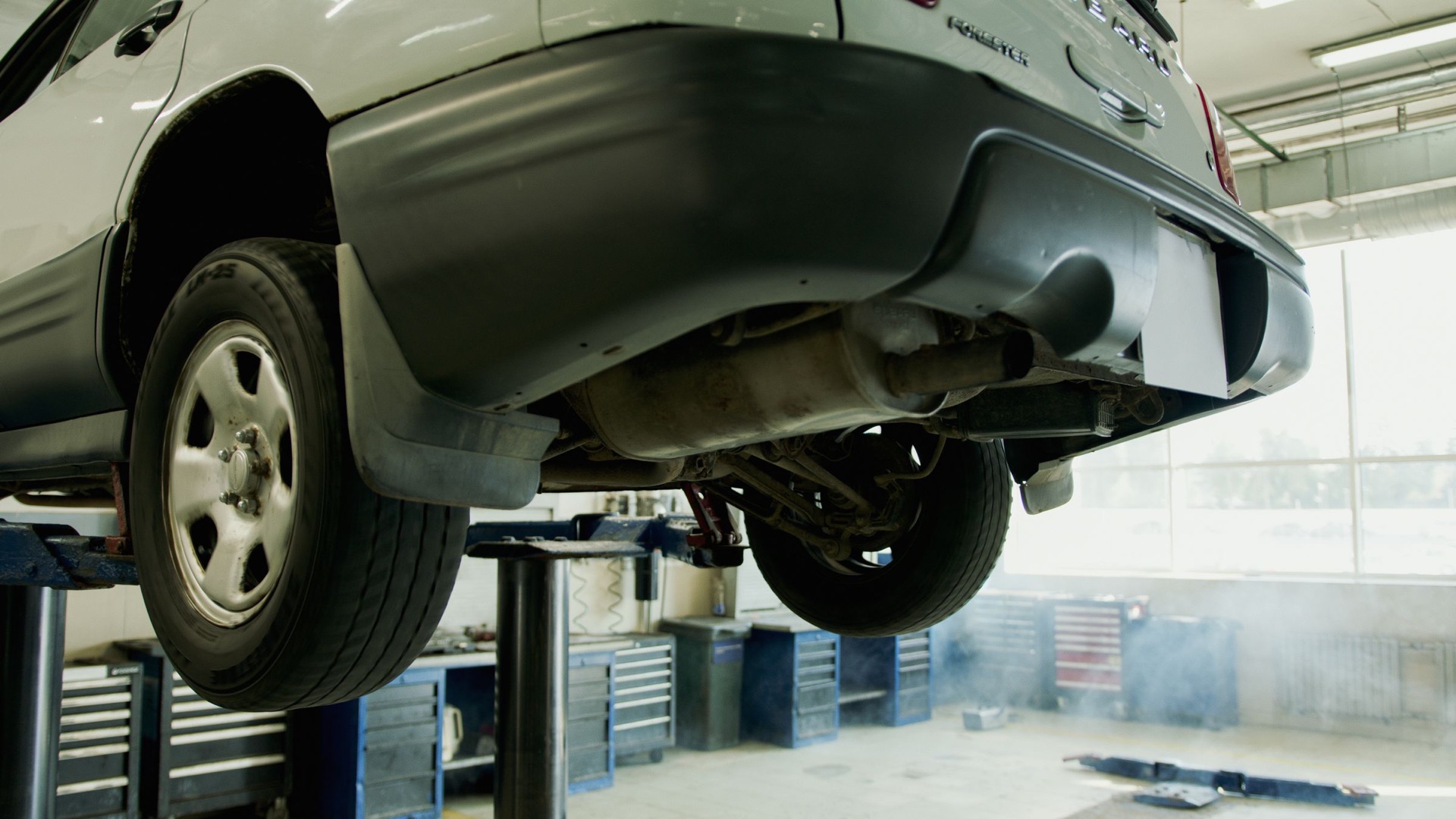
- The underside of the vehicle and exposed metal components, including the exhaust and subframes
- Wheel arches and the lower edges of body panels, where slush is thrown up by the tires
- Door bottoms, rocker panels and seams, where dirt and moisture collect
- Damaged paint and stone chips on the hood, front edge and lower panels
- Brake lines, fuel lines and suspension components, which should be inspected by a qualified technician
Some of these, like brake lines and suspension mounting points, are safety-related, which is why they're part of a proper inspection rather than a quick look.
Do not crawl underneath a vehicle supported only by a jack. Underbody inspections that need access beneath the car should be done on a lift or with proper equipment. You can look at wheel arches, door bottoms and panel edges safely from outside the car.
Do you notice rust bubbling under the paint at the bottom of your doors or around the wheel arches?
Does washing your car in winter help?
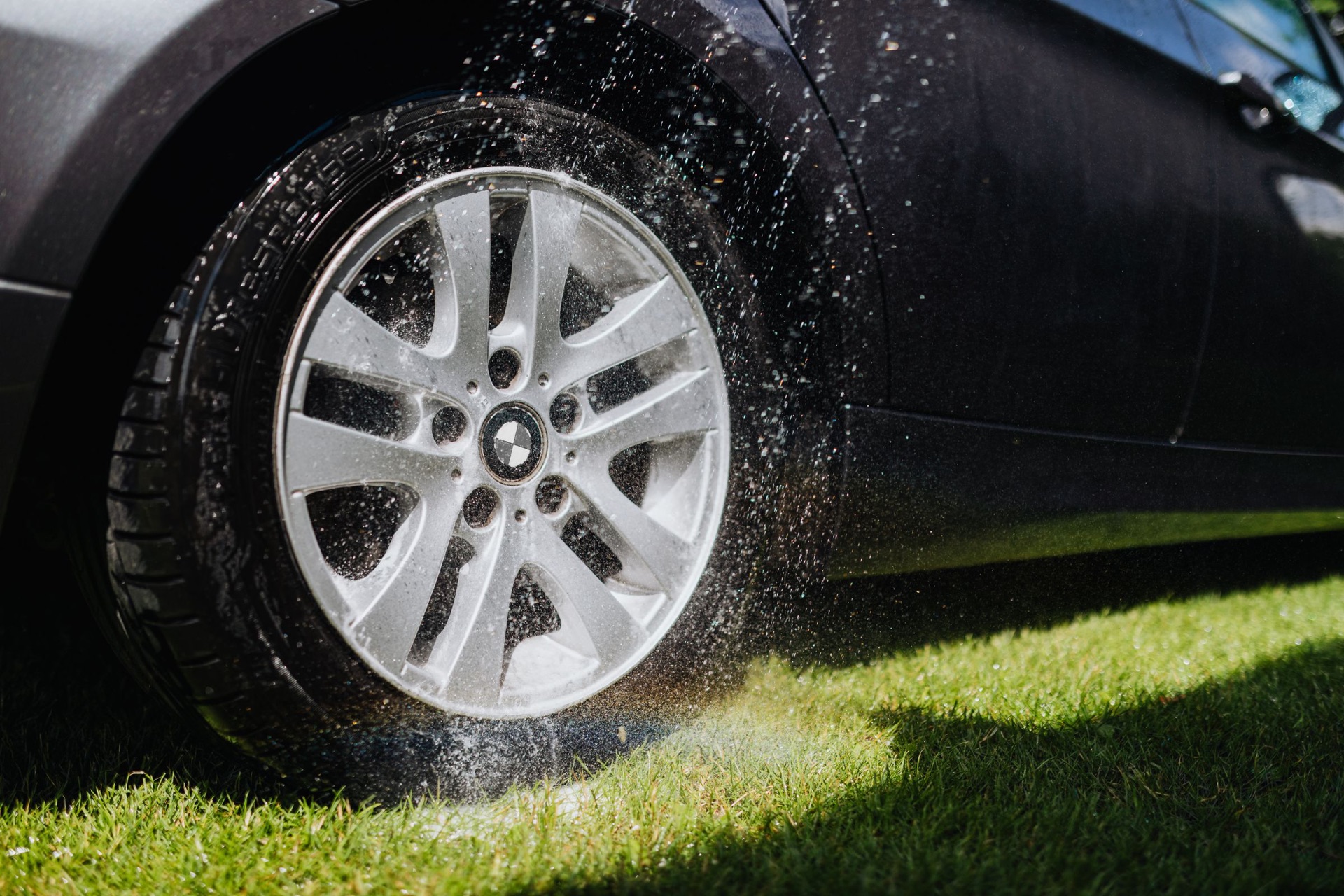
Yes. Washing removes salt and grime before they sit on the vehicle for weeks. An undercarriage wash is especially useful, since that's where salt builds up most and where you can't easily reach yourself. Many drivers find it practical to wash after a stretch of salty roads, or on a milder day when the temperature allows.
A few tips for washing in cold weather:
- Choose a safe, well-maintained washing facility and follow its instructions.
- Wash when temperatures allow the car to dry, if you can.
- After washing in freezing weather, open and close the doors, check the locks and dry the door seals so nothing freezes shut.
- Test your brakes gently on the first few stops afterwards, since wet brakes can feel different for a moment.
Washing can't reverse corrosion that has already taken hold, but regular cleaning, especially underneath, is one of the simplest and least expensive ways to slow it down. For more ways to get your car through the season, see the CAA's winter car care tips.
Is your car one you plan to keep for many more winters, or trade in soon?
Is rustproofing worth considering?
It can be, but the value of a rustproofing treatment depends on the vehicle, its condition, the product and how it's applied. There's no single answer that's right for every car.
- Not every coating suits every vehicle or every part of a vehicle.
- Some treatments need specific preparation, and some need to be reapplied regularly to keep working.
- Applying a product over existing corrosion may not solve the underlying problem.
Before you buy any treatment, ask for a clear explanation of what it covers, how it's applied, how long it's expected to last and what maintenance it needs. Our guide to car rustproofing in Canada goes deeper into the different types of treatment and how to choose.
Rust Protection
1 service
- On the hoist: air-blow clean, prep, then a full protective spray underneath.
Prices are starting prices from our shop menu. Your exact price depends on the vehicle and parts, and we always confirm a firm quote before any chargeable work begins.
What if you already see rust?
Small cosmetic spots and serious corrosion are not the same thing. A paint chip with a little surface rust can often be cleaned and touched up. Rust around structural areas, suspension mounting points, brake lines or other safety-related parts deserves prompt professional assessment.
If you notice flaking or bubbling metal, holes, new clunks or rattles from underneath, or visible deterioration under the vehicle, arrange an inspection rather than painting over it. Corrosion around suspension parts and brake components can also affect how the car drives and stops, so it's worth checking alongside your winter brake noises.
Protect your vehicle throughout winter
- Wash the vehicle, including the underside, when practical through the season.
- Touch up chips and scratches before they spread.
- Keep drain holes at the bottom of doors and rocker panels clear.
- Include the underbody in routine inspections, not just in spring.
A consistent routine is more useful than waiting until spring to think about corrosion. At Arman Fine Auto & Repair Centre, we can look over the underbody on a lift, show you what we find and explain your options, including our rustproofing service. Book below if you'd like us to take a look.
Worried about salt and rust?
We look over the underbody on a lift, show you what we find and explain your options. Rustproofing from $100 for a sedan, quoted by vehicle size.