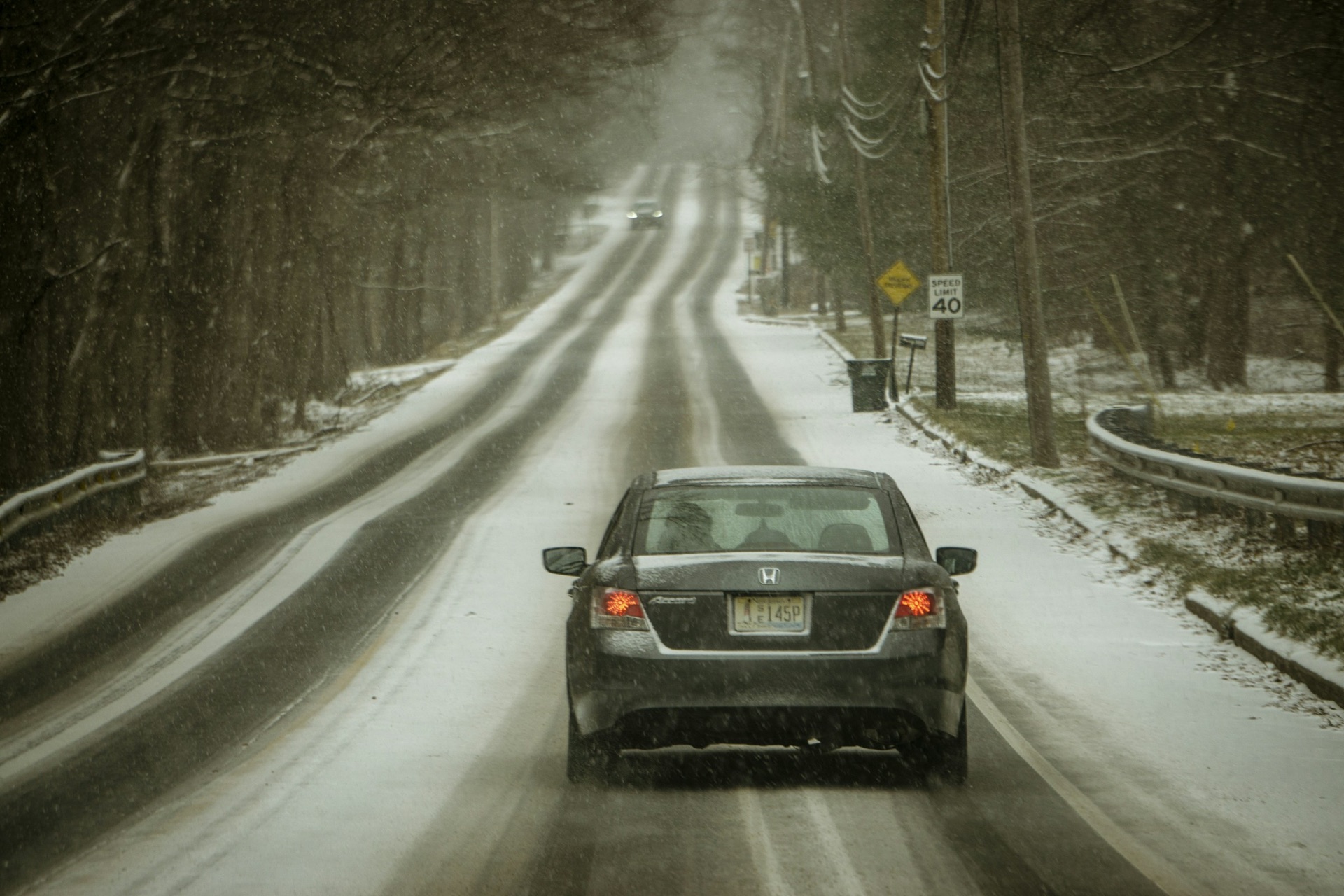
If you seem to be visiting the gas station more often once the snow arrives, you're not imagining it. Cold weather and winter driving habits can make a vehicle use noticeably more fuel than it does in mild weather.
That said, a sudden or dramatic change shouldn't automatically be blamed on the temperature. Some seasonal drop is normal. A big jump can be your car telling you something.
Have you noticed your fill-ups getting closer together since the weather turned cold?
Why cold weather affects fuel consumption
Several small effects stack up in winter, and together they add up to more fuel per kilometre:
- Cold engines run richer. A cold engine uses extra fuel while it warms up, and the engine management system keeps that up until normal operating temperature is reached.
- Thicker fluids. Engine oil, transmission fluid and differential fluid are all thicker when cold, so the engine and drivetrain work harder against internal friction until they warm.
- Heaters and defrosters. The blower fan, rear defroster, heated seats and heated mirrors all draw electrical power the engine has to generate.
- Denser air and rougher roads. Cold air is denser, which adds a little aerodynamic drag, and snow, slush and stop-and-go traffic all add rolling resistance.
- Winter fuel blends. Winter-grade gasoline is formulated for cold starts and can carry slightly less energy per litre than summer fuel.
The U.S. Department of Energy's fuel economy in cold weather page lists the same causes and notes that hybrids and electric vehicles are affected too, mostly because heating the cabin takes energy.
Short trips are the hardest
On a short run to the store, the engine may spend most of the trip warming up and never reach its efficient operating range. If your winter driving is mostly quick errands, expect a bigger difference than someone who drives long highway stretches.
Tire pressure matters
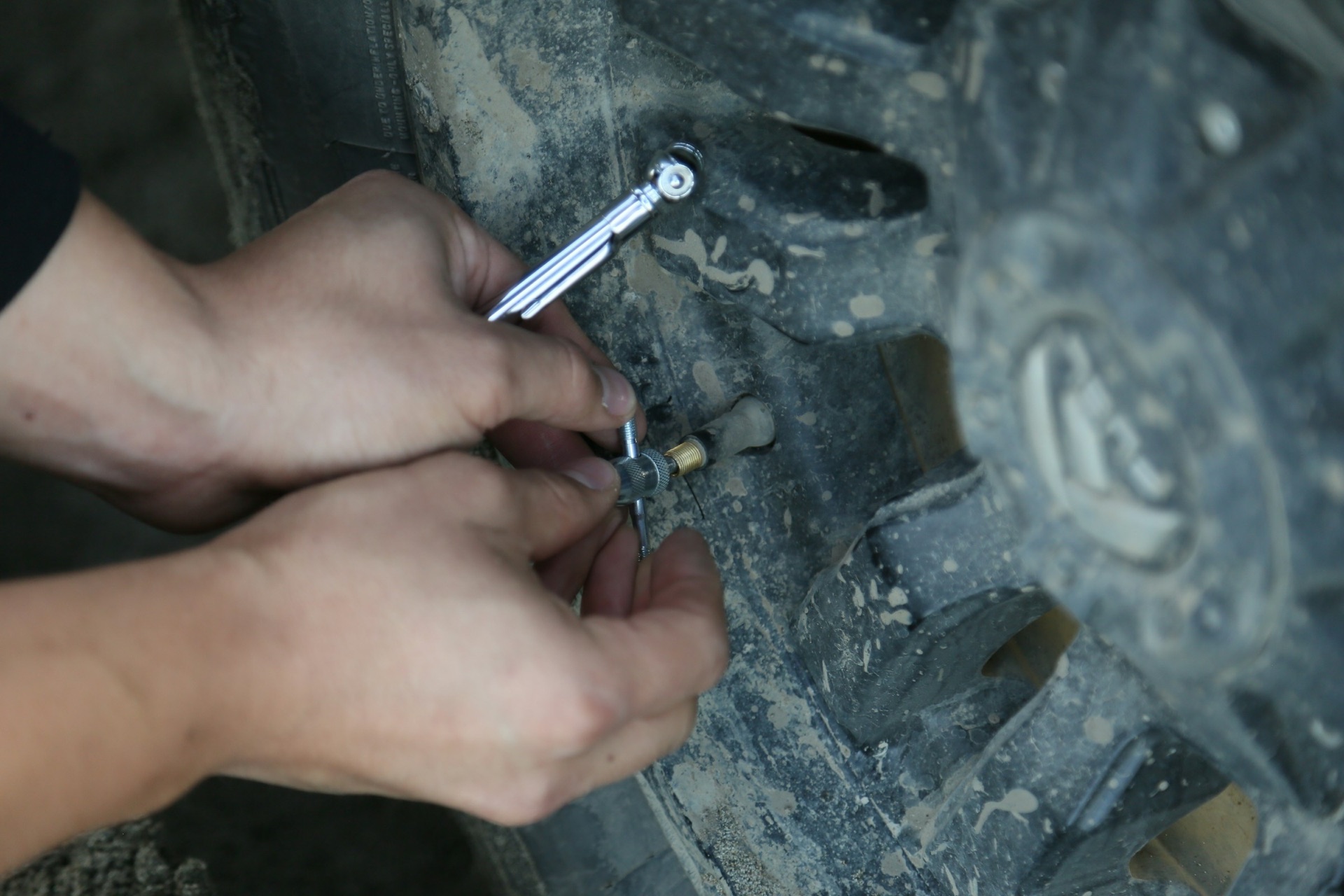
Tire pressure drops as the air gets colder, so a setting that was right in September can be low by December. Underinflated tires increase rolling resistance and can also affect handling, braking and tire wear.
- Check pressure when the tires are cold, ideally before driving or after the car has been parked for a few hours.
- Use the manufacturer's recommended pressure, normally printed on the driver's door jamb label or in the owner's manual. The number moulded into the tire sidewall is a maximum, not the target.
- Don't forget the spare, if your vehicle has one.
If your tire pressure monitoring light comes on during the first cold snap, take it seriously and check all four tires. Don't overinflate the tires in an attempt to improve fuel economy: too much pressure reduces grip, which is the last thing you want on a snowy road. If your tread is getting shallow, our guide to the signs you need new tires is worth a look.
Does idling waste fuel?
Extended idling burns fuel while taking you nowhere. Modern fuel-injected vehicles generally don't need a long stationary warm-up in ordinary conditions, although you should always follow your owner's manual. Many municipalities, including Toronto, also have idling bylaws, so check the local rules if you use remote start.
Take the time you need to clear snow and ice and make sure you can see properly, then drive gently until the engine warms up. If your engine seems to take forever to reach normal temperature, read why a car takes too long to warm up.
Never warm up a vehicle in an enclosed garage. Exhaust contains carbon monoxide, which you can't see or smell. If you're idling outside after a storm, make sure the tailpipe isn't blocked by snow.
How much of your winter driving is short trips of ten minutes or less?
Could a mechanical problem be responsible?
A sudden drop in fuel economy can be linked to a problem that has nothing to do with the weather. Common possibilities include:
- Dragging brakes. Road salt and corrosion can make caliper slides or pads stick, so the brakes drag slightly all the time. You might notice a hot wheel, a burning smell or the car feeling sluggish when coasting.
- A thermostat stuck open. The engine never fully warms up, so it keeps using extra fuel, and cabin heat is often weak too.
- Sensor faults. A faulty coolant temperature or oxygen sensor can give the engine computer the wrong information and affect how much fuel it uses.
- Overdue maintenance. Worn spark plugs, a neglected air filter or old oil won't help efficiency. Our spark plug replacement guide covers the warning signs.
- Incorrect tire pressure or alignment. Low tires or wheels knocked out of alignment by potholes both add drag.
If the change is substantial, or it comes with a warning light, an unusual smell, rough running or poor performance, arrange an inspection. A lit warning lamp in cold weather has its own causes; see check engine light in cold weather.
Practical ways to reduce winter fuel use
- Combine errands into one trip when practical, so the engine warms up once instead of several times.
- Keep tires inflated to the recommended pressure and check them more often in winter.
- Remove unnecessary cargo, and take off roof boxes or bike racks you're not using.
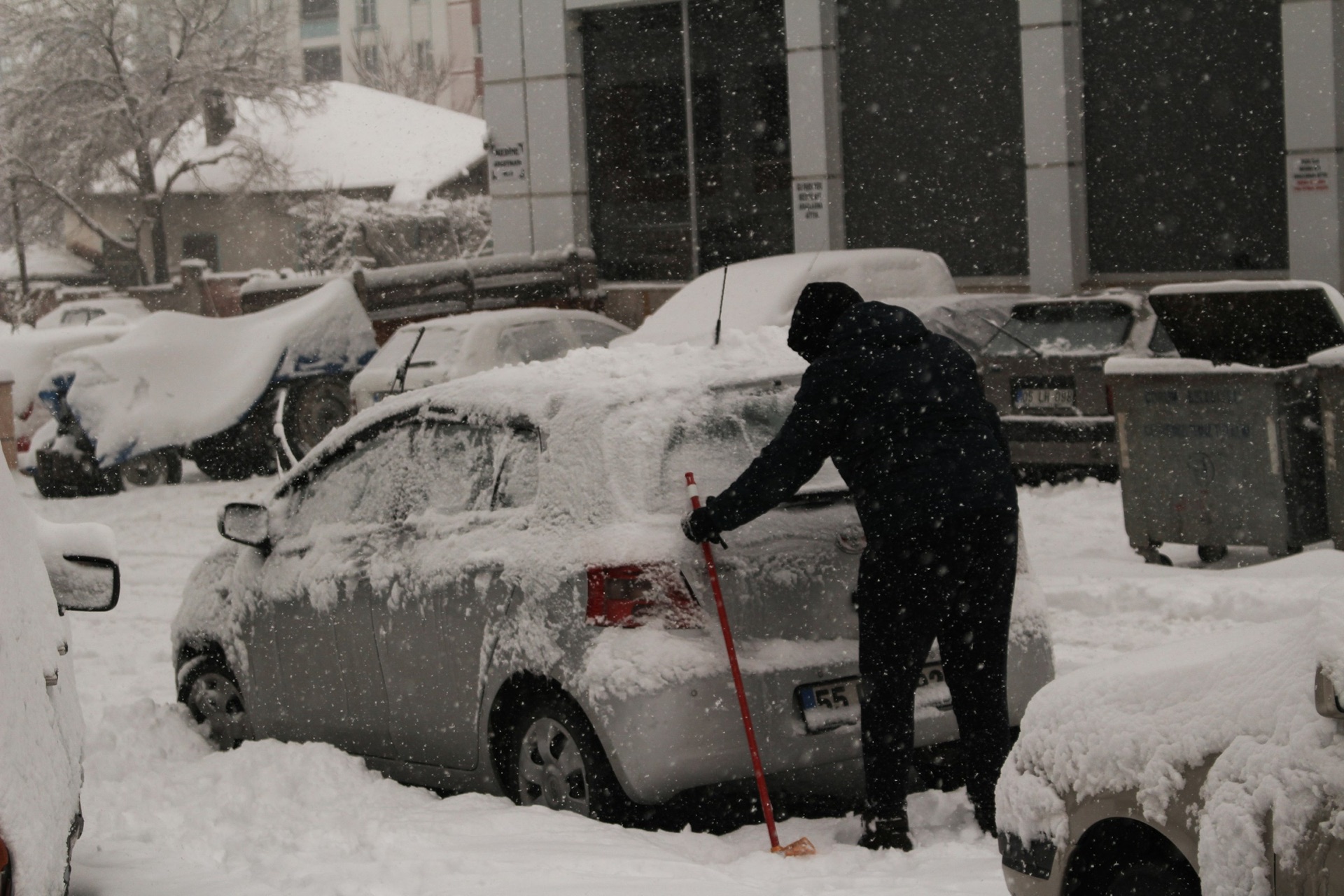
- Clear snow off the roof, hood and trunk. Ontario's winter driving guidance asks drivers to clear windows, lights, mirrors and the roof before setting out, and it also saves you hauling extra weight.
- Accelerate smoothly and look ahead so you brake less.
- Park in a garage or sheltered spot where you can (never with the engine running in an enclosed space).
- Use the oil grade your manufacturer specifies for cold weather.
- Use a block heater, remote start or idling features only as your owner's manual and local rules allow. CAA's winter car care tips suggest considering a block heater when it drops below about -15°C.
- Follow your maintenance schedule.
Whatever you do, don't sacrifice visibility or safe driving to save a little fuel. Defrosters and clear windows come first.
How to measure the change properly
One trip tells you very little. A cold morning, a traffic jam or a snowstorm can swing a single tank a long way. To get a fair picture:
- Fill the tank and reset a trip meter.
- Drive normally until your next fill-up, then fill the tank again.
- Divide the litres you added by the kilometres driven and multiply by 100. That gives you litres per 100 km.
- Repeat over several fill-ups and compare with the same months last year if you have the numbers.
Your trip computer's average is a useful guide, but the fill-to-fill method is a good cross-check. A steady, moderate seasonal dip is usually normal; a sudden jump deserves a closer look.
Do you know what your car normally averages in litres per 100 km?
If your fuel use has climbed more than the weather explains, or something else feels off, our team at Arman Fine Auto & Repair Centre can check it properly. Start with an engine diagnostic and we'll tell you what we find before any repair is quoted.
Fuel use jumped more than the weather explains?
We check tire pressure, brakes, sensors and fault codes to find what's really costing you fuel. Diagnostic scans from $100, quoted before any repair.